Written by:
CT Family First Movers
Published:
November 3, 2026
Comparing DIY moving vs hiring movers for labor only? See how each stacks up on time, effort, risk and fit so you can choose the right option for your move.
DIY moving vs labor-only movers comes down to who does the lifting. With a full DIY move, you rent the truck, drive it, and load and unload everything yourself, usually with friends or family. With labor-only movers, you still rent or own the truck or container, but you hire trained movers to handle the loading, carrying, and unloading. For most families, the labor-only route trades a day of physical strain and risk for a cost you can plan around, while a full DIY move trades convenience for complete control over the schedule.
Neither option is automatically the right call. It depends on how much you're moving, who's available to help, whether anyone in the house can safely lift heavy furniture, and how much time you have before the lease starts or the closing date hits. Here's how the two actually compare, and where our own labor-only service fits into that decision.
A full DIY move puts every task on you: renting the truck, recruiting help, packing, driving, loading, unloading, and returning the truck. Labor-only service removes just the physical loading and unloading from that list, while you still handle the truck rental, driving, and scheduling. It's a middle option between doing everything yourself and booking a full-service move.
This matters because the hardest and riskiest part of a move usually isn't the driving or the packing, it's carrying heavy, awkward items down stairs and through doorways without anyone getting hurt or anything getting dented. Labor-only service targets exactly that part.
A DIY move with volunteer help almost always takes longer, because you're coordinating other people's schedules and working at whatever pace an untrained crew can manage. Labor-only movers arrive on a set window and work as a trained team, which usually gets a truck loaded or unloaded faster than a group of friends figuring it out as they go.
As a rough rule of thumb, plan for about an hour per room of average furniture when a trained two-person crew is loading, and expect that to roughly double with a volunteer crew still learning how to stack and strap a truck. If your moving day is boxed in by a lease handoff or a tight closing window, that time difference matters more than it might seem.
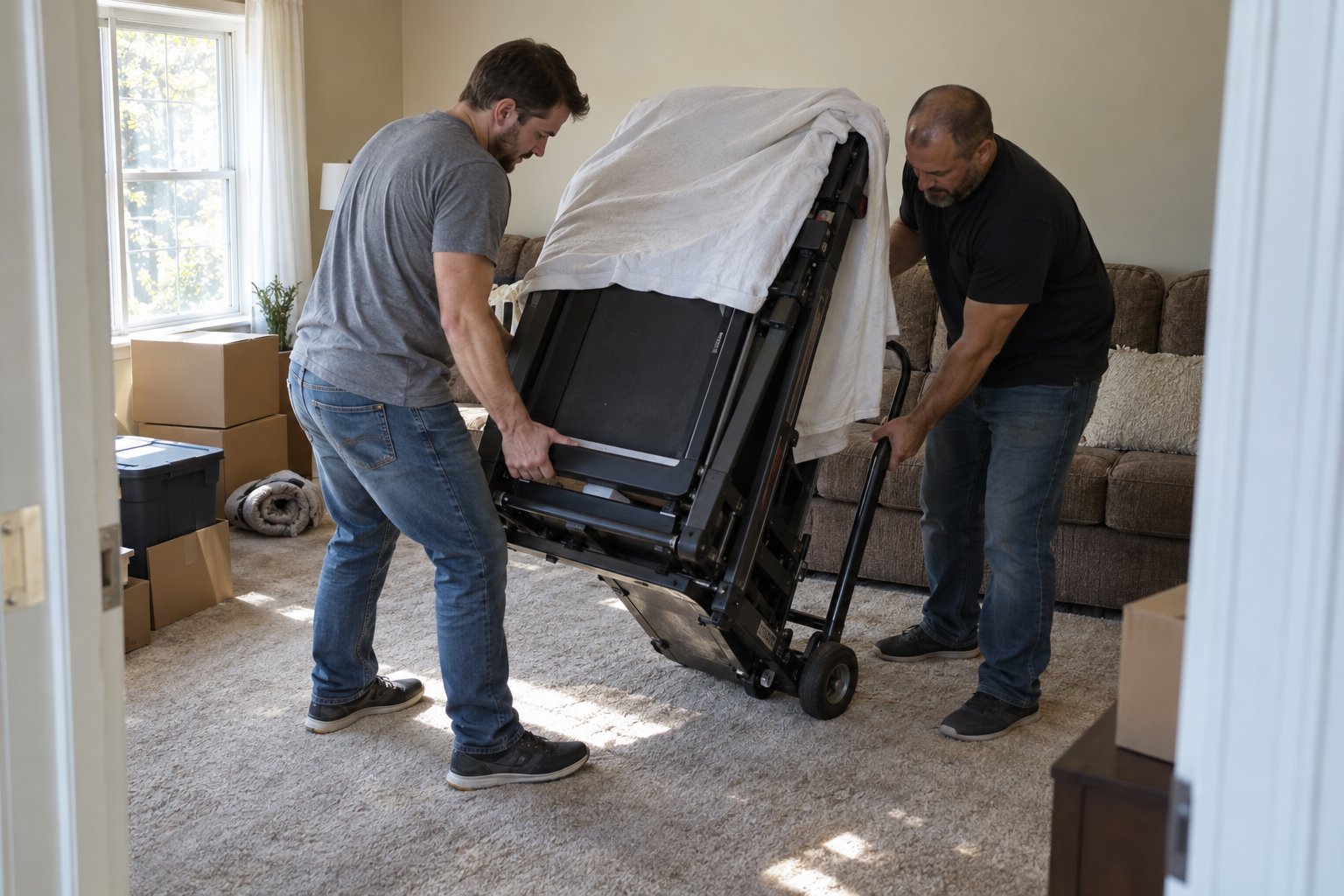
DIY moving asks the most of your body: repeated heavy lifting, awkward angles on stairs, and hours of carrying without the kind of pacing a professional crew builds into the day. Labor-only movers take that physical load off you and your helpers, while you still handle the driving and logistics.
If anyone involved has a bad back, a new baby to watch, or simply can't take a day off work to recover, that's a strong signal toward labor-only help rather than a full DIY approach. The senior moving services option is also worth a look if the move involves an older adult who shouldn't be lifting at all. For general lifting safety, OSHA's ergonomics guidance covers the basics of safe lifting technique, which is worth a skim even if you do hire help, since you'll likely still be carrying boxes yourself.
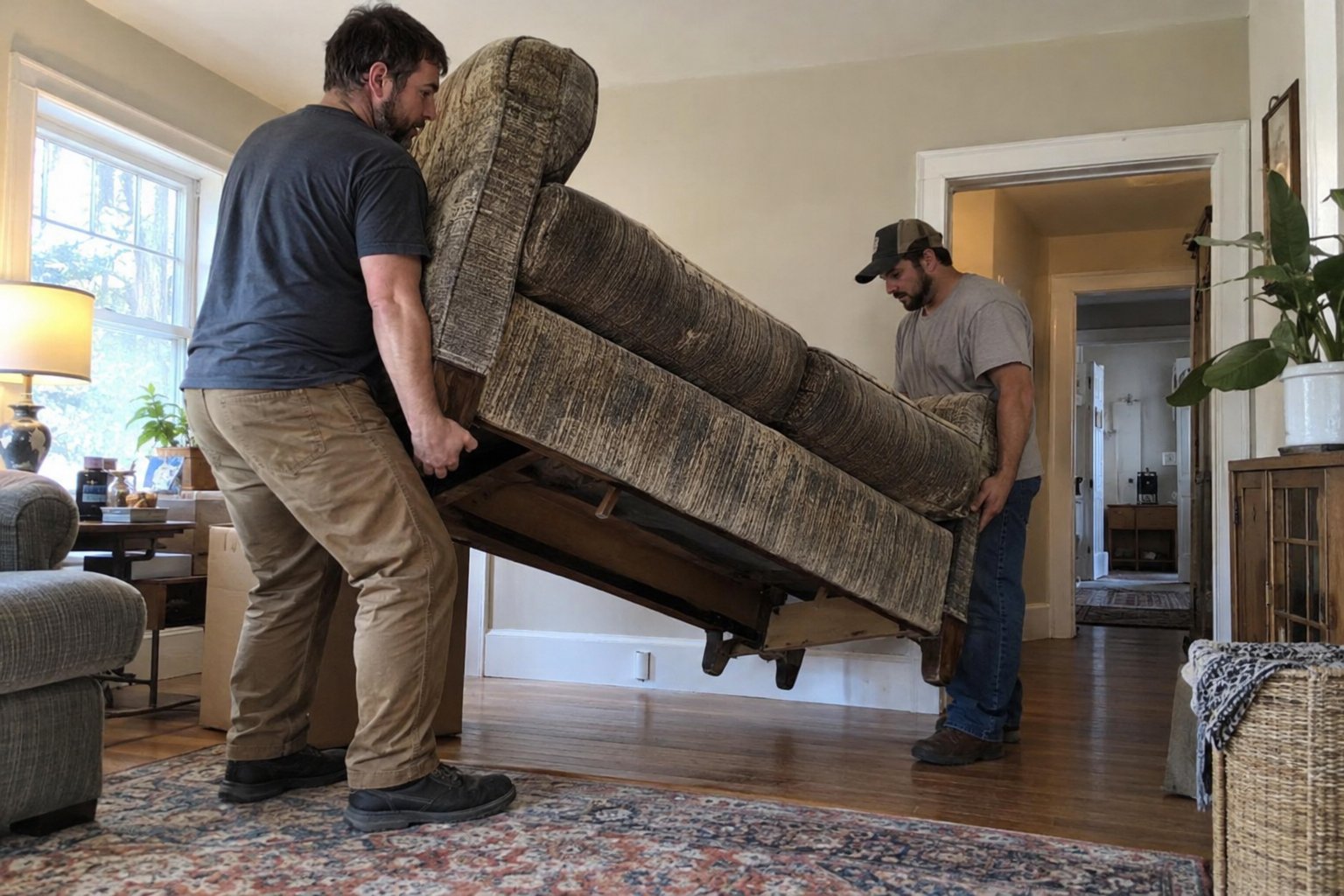
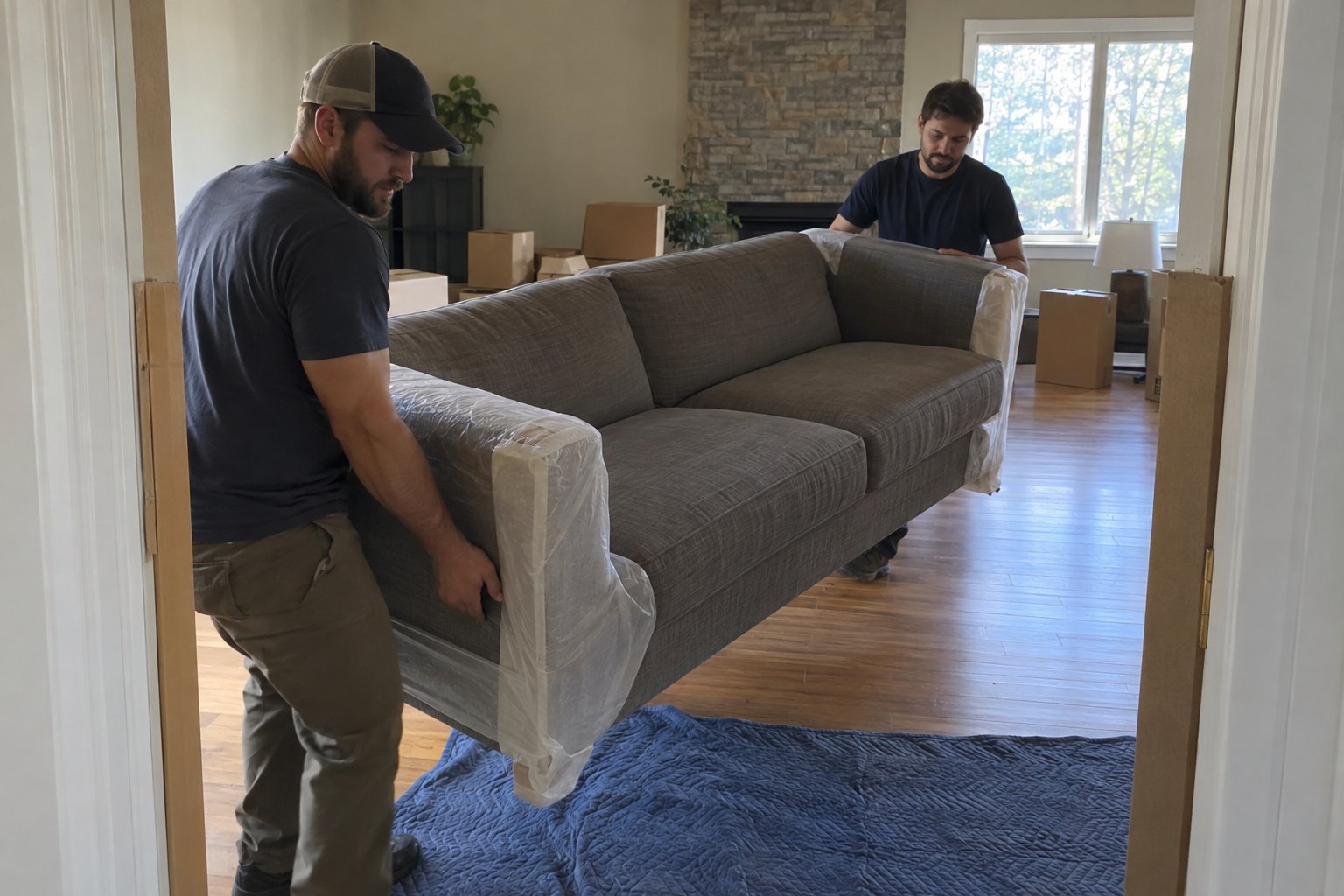
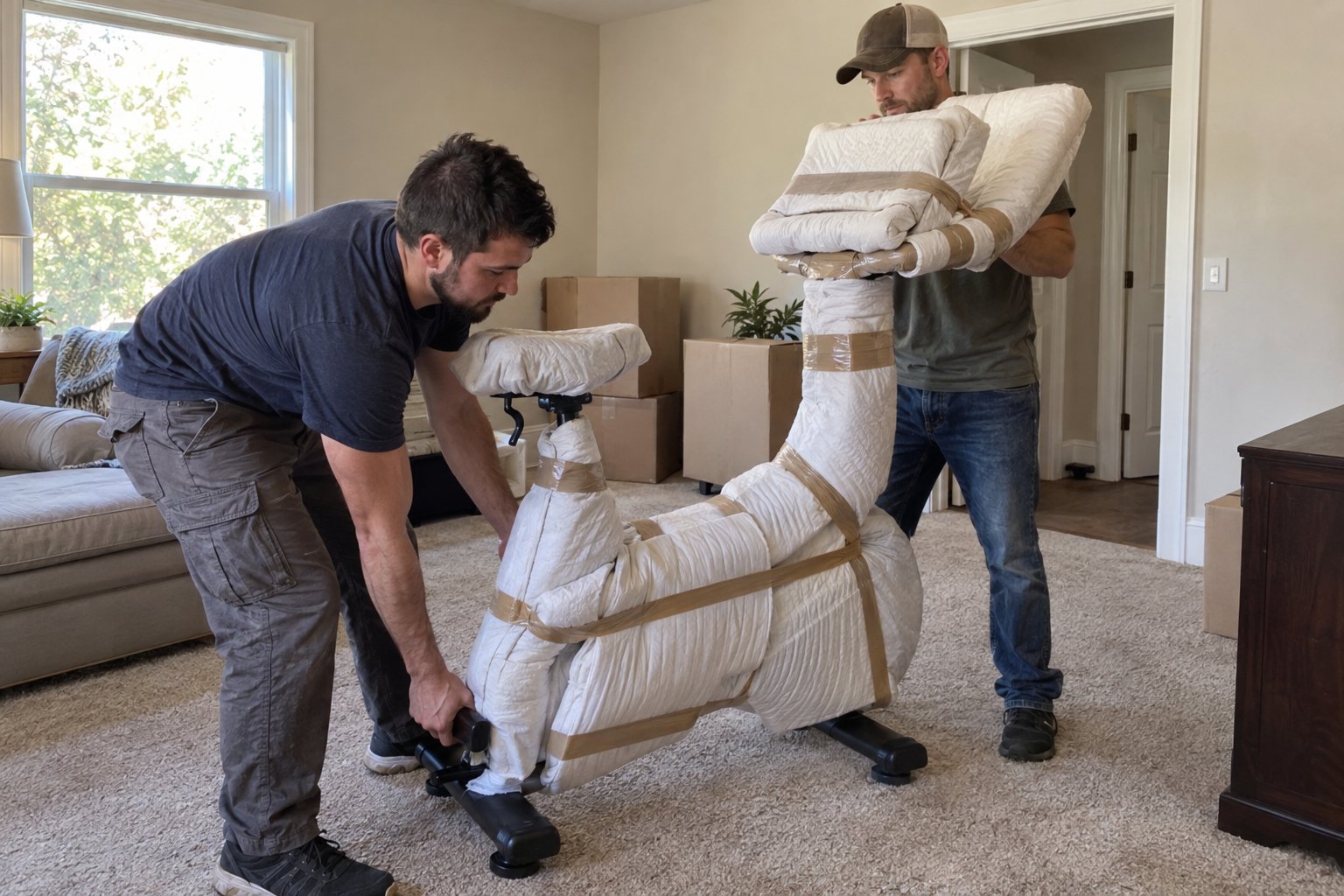
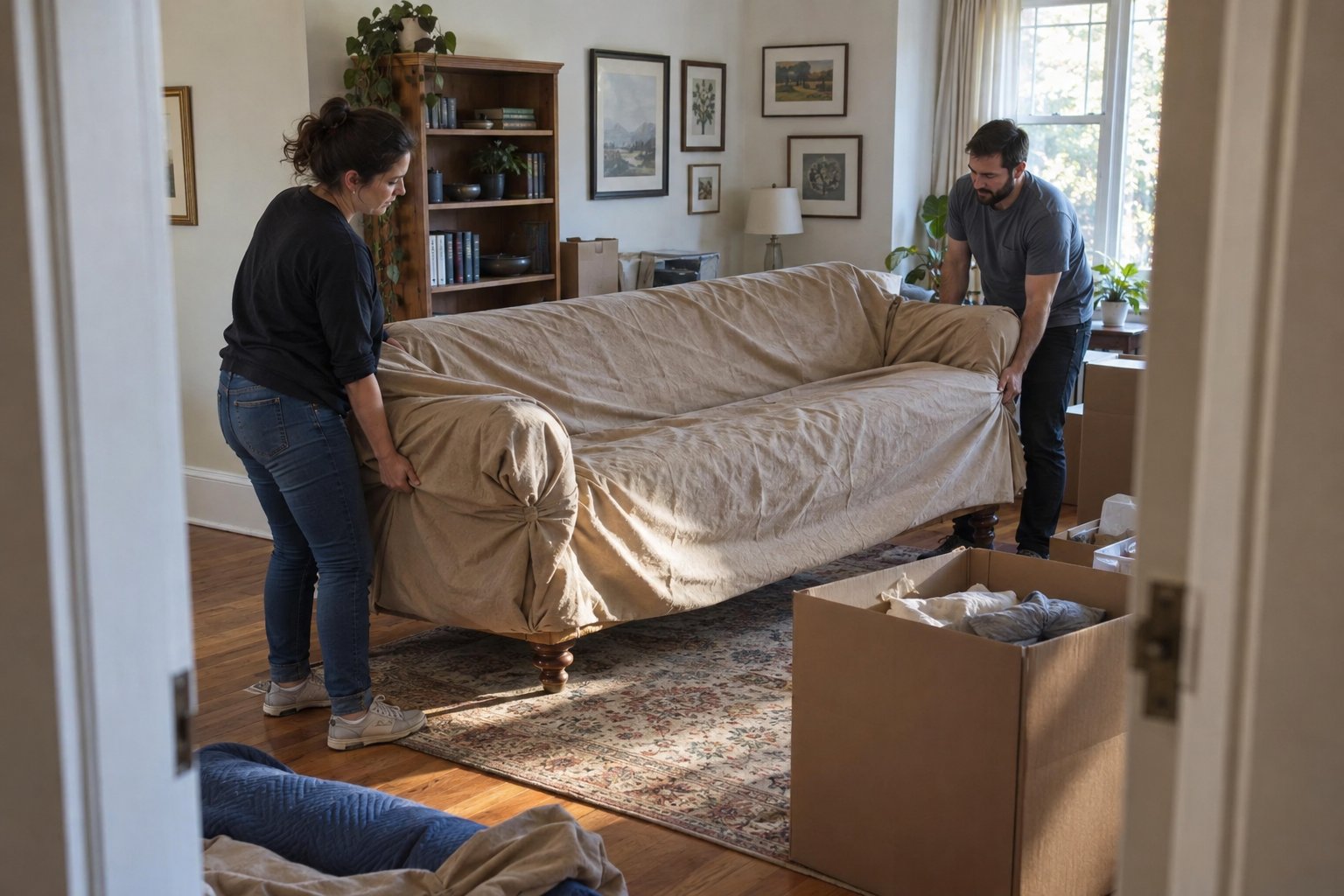
Untrained lifting is where most moving damage happens, both to furniture and to floors, walls, and door frames. A trained labor-only crew knows how to angle a couch through a doorway, protect flooring during the carry, and strap items in the truck so they don't shift in transit, which lowers the odds of dents, scratches, or a thrown-out back.
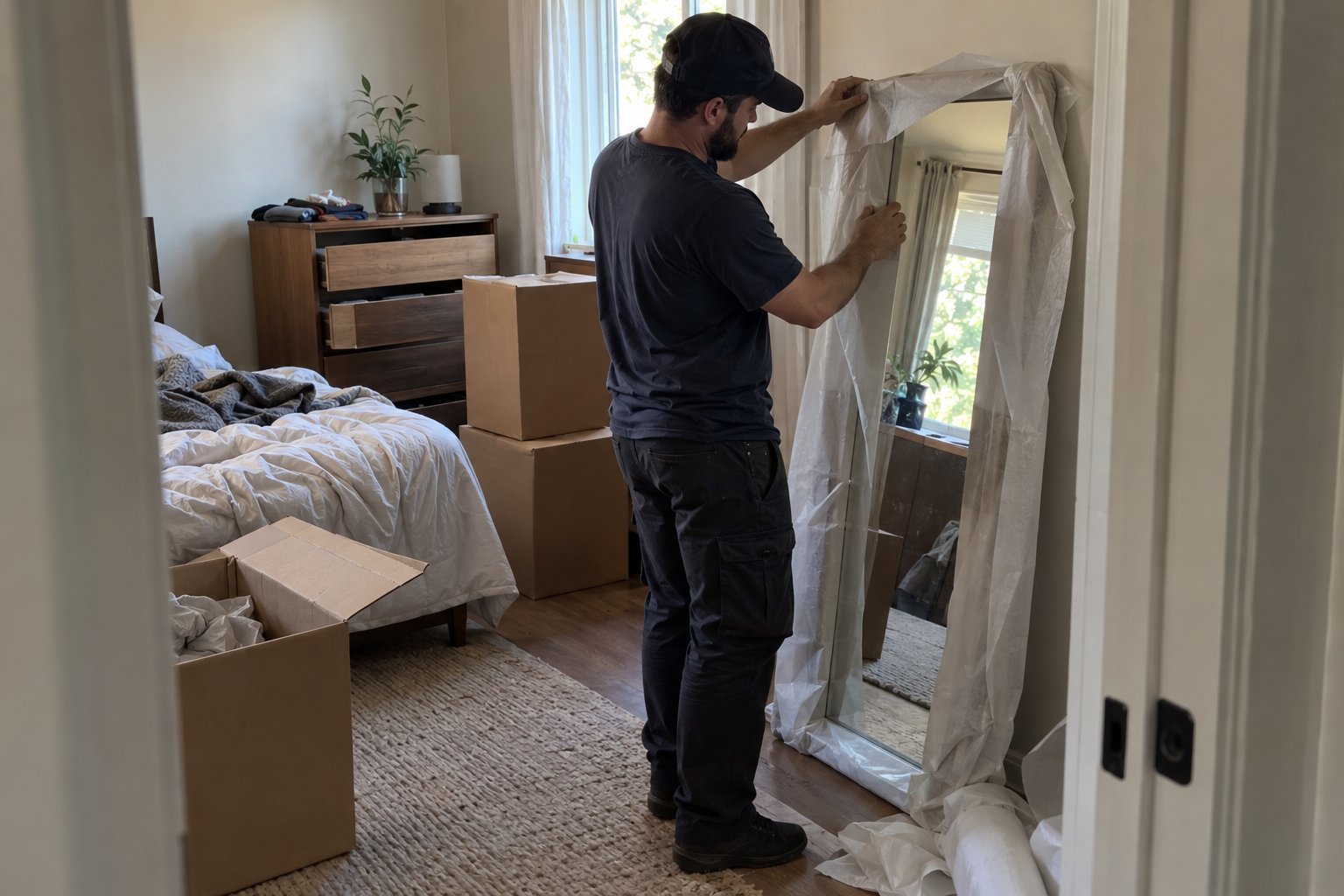
If protecting your home's surfaces is a priority, it's worth asking any crew what padding and floor protection they bring before moving day. A full DIY move puts that responsibility entirely on you and whoever you've recruited to help.
Full DIY moving tends to work best for a small apartment, a short-distance move with few heavy items, or a household with willing, able-bodied help and a flexible schedule. It also suits anyone who genuinely prefers full control over pacing and packing order.
Labor-only movers tend to suit a larger home, a move with heavy furniture like dressers, sofas, or appliances, a move where stairs or tight doorways are involved, or a household where nobody wants to spend the next few days recovering from carrying boxes. It also works well if you've already rented a truck or a portable container and just need hands to load and unload it, which is common for families moving between towns like Cheshire, CT and Guilford, CT who want to drive the truck themselves but skip the heavy lifting.
For most households, hiring movers for labor only is the better fit. It keeps you in control of the truck rental and schedule while removing the part of the move most likely to cause an injury or damage: the actual carrying. Full DIY moving makes more sense only when the move is small, the distance is short, and you have reliable, able-bodied help lined up in advance.
If you're weighing labor-only help against a fully managed move instead, it's worth comparing both against what local moving services include, since a full-service move adds packing and driving on top of the loading and unloading our labor-only service covers.
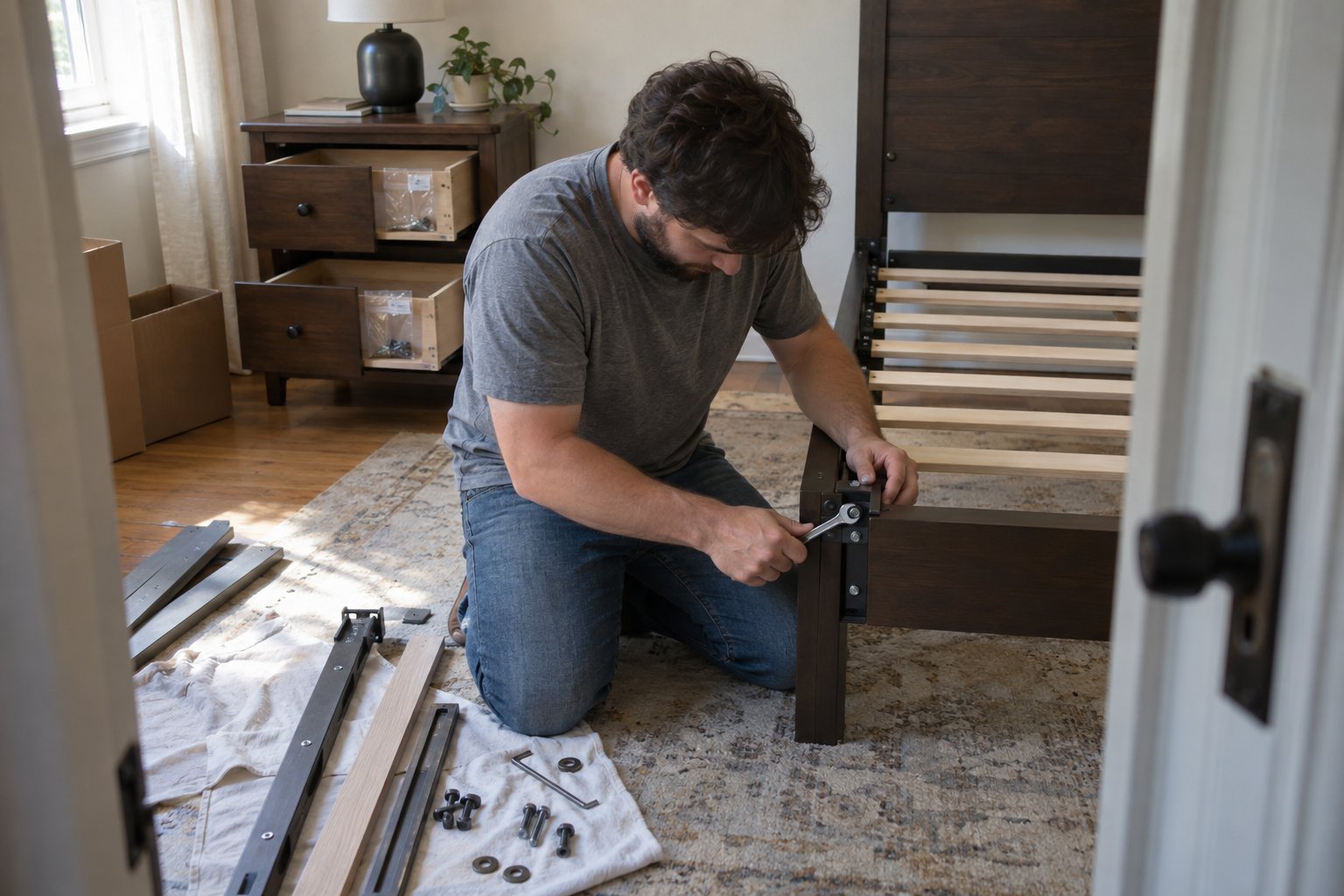
Before a labor-only crew arrives, the truck or container should already be parked and accessible, a clear path should be cleared from each room to the door, and any items you're not moving should be set aside so nothing gets loaded by mistake. Disassembling large furniture ahead of time, or asking the crew to handle it, also speeds things along; our guide on taking apart furniture before a move walks through which pieces actually need to come apart first.
It also helps to walk the crew through your home's layout before they start, pointing out narrow stairwells, tight turns, or anything fragile nearby. A few minutes of orientation at the start of the day saves time and reduces the odds of an accidental scrape on the way out.
Yes. For a long-distance move, DIY driving adds fatigue and unfamiliar-road risk on top of the loading itself, which is one more reason labor-only help makes sense even if you're handling the driving. For moves across state lines, our comparison of local vs. long-distance moving covers how pricing, planning timelines, and regulations shift once you cross into interstate territory, and it's worth reading alongside this one if you haven't settled on a distance yet.
If you're relocating out of state and the FMCSA's Protect Your Move resource is new to you, it's a useful read for understanding your rights as a mover before you sign anything, regardless of which labor option you choose.
If you're using a portable moving container instead of a rental truck, labor-only service still applies the same way: you book the container delivery and pickup, and the crew loads or unloads it on your schedule. Renting sturdy, stackable bins instead of relying only on cardboard boxes can also speed up a labor-only load, since uniform bins stack more predictably in a truck or container than mismatched boxes; see our plastic bin rental option if that's part of your plan.
There's no universally right answer between DIY moving and labor-only movers, only the one that fits your household, your home's layout, and how much physical risk you're willing to take on. If you're still unsure which way to lean, our moving checklist and timeline can help you map out what needs to happen regardless of which option you choose, from booking help to the final walkthrough.
Planning your move? Request a quote from CT Family First Movers.
It depends on the size of your home, but a one-bedroom apartment typically needs at least two to three able-bodied adults to move heavy furniture safely, while a larger home may need four or more. If you can't line up reliable help, labor-only movers fill that gap without requiring you to also rent a truck through a moving company.
Yes. Labor-only service is built around exactly that situation: you handle the truck rental and driving, and the crew handles the loading and unloading on the schedule you've already set.
Walk them through your home's layout first, including any narrow stairwells, tight doorways, or fragile items nearby, and point out anything that isn't going on the truck. A short walkthrough at the start of the day helps the crew plan the load and avoid accidental damage.
Generally yes. Volunteer crews are usually less experienced at angling furniture through doorways and stairwells, which raises the chance of strain injuries or damage to the furniture and the home compared with a trained crew that moves heavy items for a living.
Usually yes, since labor-only service covers loading, carrying, and unloading rather than packing. If you'd rather not pack everything yourself, professional packing services can be booked separately to cover that part of the move.
Long distance moving throughout all of New England and the tristate area (NY, NJ, PA) as well!
From North Branford to communities across Connecticut, CT Family First Movers is here when you need residential, commercial, or long-distance moving services. Request your free quote today.