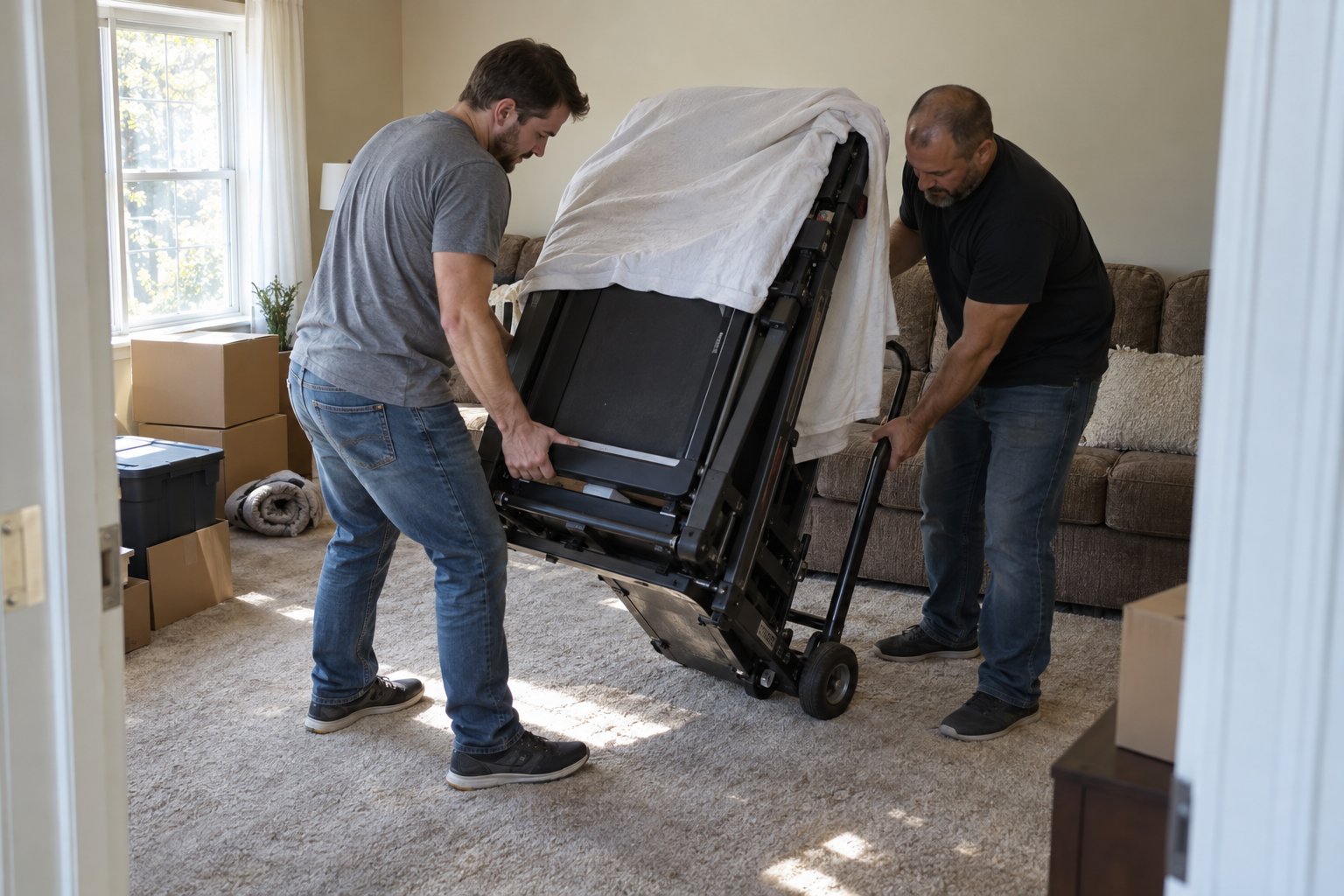
moving & storage service: loading a truck

Your Stress-Free Moving Checklist: A Timeline for Connecticut Moves

Written by:

CT Family First Movers

Published:

July 3, 2026

Plan your Connecticut move with confidence. Follow our week-by-week moving checklist and timeline to stay organized, reduce stress, and arrive ready on moving day.

A solid Connecticut moving checklist is the single best tool you can have when relocating in the Nutmeg State. Whether you're moving from Stamford to Hartford, crossing town lines in New Haven, or heading from Bridgeport out to the Quiet Corner, the details add up fast. Packing, scheduling movers, updating your address, transferring utilities — the list is long. But when you break it into a clear week-by-week timeline, what feels overwhelming becomes completely manageable. Here is exactly how to do it.

8 Weeks Before Your Move: Lay the Foundation

The earlier you start, the more options you have — and the less you'll pay for last-minute arrangements. Eight weeks out is the ideal time to begin the big-picture planning that everything else depends on.

  • Set your moving date. Pick a firm target date, keeping in mind that weekends and end-of-month dates book up quickly in Connecticut, especially between May and September.
  • Establish your moving budget. Account for movers, packing supplies, temporary storage if needed, and incidentals like cleaning supplies for your old and new home.
  • Start researching moving companies. Ask for referrals from friends, check Google Reviews and the Better Business Bureau, and get at least three written estimates before committing to anyone.
  • Begin a home inventory. Walk through every room and note large or fragile items — antiques, artwork, pianos, oversized furniture — that will need special handling.
  • Decide what to keep, sell, or donate. The less you move, the less you pay. Connecticut has many donation centers and consignment shops eager to take furniture and household goods in good condition.

6 Weeks Before Your Move: Book and Plan

With your research done, it's time to commit and start putting logistics in writing. Six weeks out gives you a comfortable buffer to handle surprises without panic.

  • Book your moving company. Confirm the date, get your contract in writing, and review every line — particularly around valuation coverage, cancellation policies, and potential add-on fees for stairs, long carries, or specialty items.
  • Arrange for packing supplies. Order or collect sturdy boxes in a range of sizes, packing tape, bubble wrap, packing paper, and permanent markers for labeling. Many Connecticut grocery stores and liquor stores offer free used boxes.
  • Notify your landlord or list your home. If you rent, check your lease for notice requirements — most Connecticut leases require 30 to 60 days' written notice.
  • Start packing non-essentials. Books, seasonal décor, extra linens, and rarely used kitchen gadgets can be packed well in advance without disrupting daily life.
  • Research your new neighborhood. Locate the nearest grocery stores, medical facilities, schools, and Connecticut DMV branch relative to your new address. Familiarity before you arrive reduces settling-in stress significantly.

4 Weeks Before Your Move: Notify and Transfer

A month out is when the administrative side of moving demands your attention. Missing these steps can mean delayed mail, interrupted service, or scrambled registrations — all avoidable with a little forethought.

Address and Mail

  • Submit a Change of Address request through the U.S. Postal Service. This can be done online at usps.com for a small identity-verification fee.
  • Notify banks, credit card companies, insurance providers, and subscription services directly — USPS forwarding is a safety net, not a substitute for updating your records.
  • Update your address with the Social Security Administration, your employer's HR department, and any government agencies you interact with regularly.

Utilities and Services

  • Contact your current utility providers — Eversource, United Illuminating, Aquarion Water, or your local provider — to schedule service disconnection on or just after moving day.
  • Set up utilities at your new address to be active the day before you arrive. The last thing you want is to unload a truck in a home without electricity or running water.
  • Transfer or cancel internet and cable service. Providers like Optimum and Frontier serve many parts of Connecticut, but coverage varies by town — confirm your new address's options early.
  • Notify your children's schools and begin the enrollment process at their new school if you're moving to a different district.

2 Weeks Before Your Move: Pack in Earnest

With two weeks to go, packing becomes your primary job outside of work and family obligations. A systematic room-by-room approach is far more efficient than packing randomly.

  • Pack one room at a time and label every box clearly with its contents and destination room. A color-coded sticker system — one color per room — makes unloading and directing movers effortless on moving day.
  • Photograph electronics before disconnecting cables. A quick snapshot of the back of your TV or entertainment center saves significant frustration when reassembling.
  • Disassemble large furniture where possible and keep all hardware in small labeled bags taped to the corresponding piece.
  • Pack an essentials bag for each family member: a change of clothes, toiletries, phone chargers, medications, important documents, and snacks. This bag rides in your car, not the moving truck.
  • Confirm your moving date and time with your movers and provide them with any access details — gate codes, parking restrictions, elevator reservations — for both your old and new addresses.
  • If your move falls during a Connecticut winter, monitor the forecast and discuss a contingency plan with your moving company in case of snow or ice.

Handling Specialty Items

Connecticut homes often contain items that require extra care — grandfather clocks inherited from family, antique furniture, musical instruments, or valuable artwork. Confirm with your movers well in advance that they have experience and proper equipment for any specialty items in your home. Some pieces may require custom crating, climate-controlled transport, or third-party specialists.

Moving Week: Final Preparations

The week of your move is about finishing, confirming, and staying calm. Most of the hard work is already done — this is execution week.

  • Finish all packing by the night before moving day. Nothing slows a move — or increases labor costs — more than a crew arriving to find half the home still unpacked.
  • Clean out the refrigerator and freezer. Use up perishables or donate them to a neighbor. Defrost the freezer at least 24 hours before moving day.
  • Discard hazardous materials that movers legally cannot transport: paint, propane tanks, cleaning chemicals, and similar items. Connecticut has designated household hazardous waste collection events — check your municipality's website for the nearest location.
  • Prepare your old home for movers. Clear pathways, protect flooring with cardboard or moving blankets, and identify where the truck should park. In dense Connecticut cities like New Haven or Bridgeport, you may need to reserve street parking in advance through the city.
  • Charge all devices the night before and keep a power bank handy. Moving day is long, and you'll want your phone available for coordinating logistics all day.

Moving Day: Stay in Control

A well-planned moving day feels almost routine — every box has a label, every person knows their role, and the process moves efficiently from start to finish.

  • Be present and available for your moving crew from start to finish. Answer questions promptly, direct traffic, and do a walkthrough of each room before the movers leave your old home.
  • Do a final sweep of every room, closet, cabinet, drawer, attic, basement, and garage before the truck pulls away. Check under beds, inside appliances, and behind doors.
  • At your new home, direct movers room by room using your color-coded label system. Have a clear plan for where large furniture pieces go — repositioning a heavy sofa after the crew has left is no fun.
  • Inspect your belongings as they are unloaded. Note any damage immediately in writing and photograph it before the movers leave.
  • Tip your crew if they've done a great job — it's customary and genuinely appreciated, particularly after a long and demanding Connecticut move.

After the Move: Settle In and Wrap Up

The boxes are in, the truck is gone, and you're officially at your new address. A few closing tasks will help you fully settle in and avoid loose ends.

  • Update your Connecticut driver's license and vehicle registration with the DMV within 48 hours of establishing residency at your new address, as required by state law.
  • Register to vote at your new address. Connecticut allows same-day registration on Election Day, but updating your registration in advance avoids any day-of complications.
  • Test all locks, smoke detectors, and carbon monoxide detectors in your new home. Replace batteries if needed and note the location of your electrical panel and main water shutoff.
  • Introduce yourself to neighbors. Connecticut communities tend to be tight-knit — a friendly introduction goes a long way, and your neighbors can be invaluable for local recommendations.
  • File any damage claims with your moving company promptly. Most companies require written notice within a specified window — check your contract for deadlines.

Moving in Connecticut does not have to be chaotic. With the right timeline and a clear checklist, you can navigate every stage — from the first box packed to the last picture hung on the wall — with confidence and calm. CT Family First Movers is here to help make your Connecticut move as smooth and stress-free as possible.

Frequently Asked Questions

How far in advance should I start planning a Connecticut move?

Ideally, begin planning your Connecticut move at least 8 weeks before your target date. This gives you time to research and book a reputable moving company, gather packing supplies, notify utilities and service providers, and handle administrative tasks like change of address without feeling rushed. For moves during peak season — late spring through early fall — starting even earlier is advisable, as moving companies book up quickly.

What is the best time of year to move in Connecticut?

Late September through early April is generally considered off-peak season for Connecticut moves. Moving companies tend to have more availability, and pricing can be more flexible. Summer months (June through August) are the busiest, with higher demand and less scheduling flexibility. If you must move in summer, book your movers as early as possible and avoid end-of-month dates, which are especially competitive.

How do I handle utility transfers when moving to a new Connecticut address?

Contact your current utility providers — such as Eversource, United Illuminating, or Aquarion Water — to schedule disconnection at your old address on or just after moving day. Then contact the providers serving your new address to arrange activation the day before you arrive. For internet and cable service, check availability at your new address early, as provider coverage varies considerably across Connecticut towns and cities.

What items can movers legally not transport in Connecticut?

Licensed movers are generally prohibited from transporting hazardous materials, including propane tanks, paint, motor oil, cleaning chemicals, fertilizers, and ammunition. Connecticut residents can dispose of many of these items safely through municipal hazardous waste collection events. Check your town's website or the Connecticut DEEP (Department of Energy and Environmental Protection) website for local collection schedules and drop-off locations.

What should I do if my belongings are damaged during a Connecticut move?

Document any damage immediately with photographs and notify the moving company in writing as soon as possible — ideally before the crew leaves your new home. Review the valuation coverage you selected in your contract: Released Value Protection provides minimal reimbursement based on weight, while Full Value Protection covers repair or replacement at current market value. Most moving contracts include a specific window for filing claims, so check your paperwork and act promptly to preserve your options.

Ready for Your Next Move?

From North Branford to communities across Connecticut, CT Family First Movers is here when you need residential, commercial, or long-distance moving services. Request your free quote today.