Written by:
CT Family First Movers
Published:
July 6, 2026
Packing doesn't have to be overwhelming. CT Family First Movers shares room-by-room packing tips to help Connecticut families move efficiently and stress-free.
Learning how to pack for a move in Connecticut is one of the most valuable skills any family can develop before moving day arrives. Whether you're relocating within Hartford, heading from Stamford to New Haven, or preparing for a bigger transition, the way you pack your belongings directly affects how smooth — or stressful — your move turns out to be. A thoughtful, room-by-room approach saves time, protects your valuables, and makes unpacking in your new home far less chaotic.
Many families underestimate how long packing actually takes. Professionals in the moving industry often say it takes two to three times longer than most people expect. Starting early and working through your home systematically — rather than grabbing random items from different rooms — is the single biggest difference between a smooth move and a last-minute scramble.
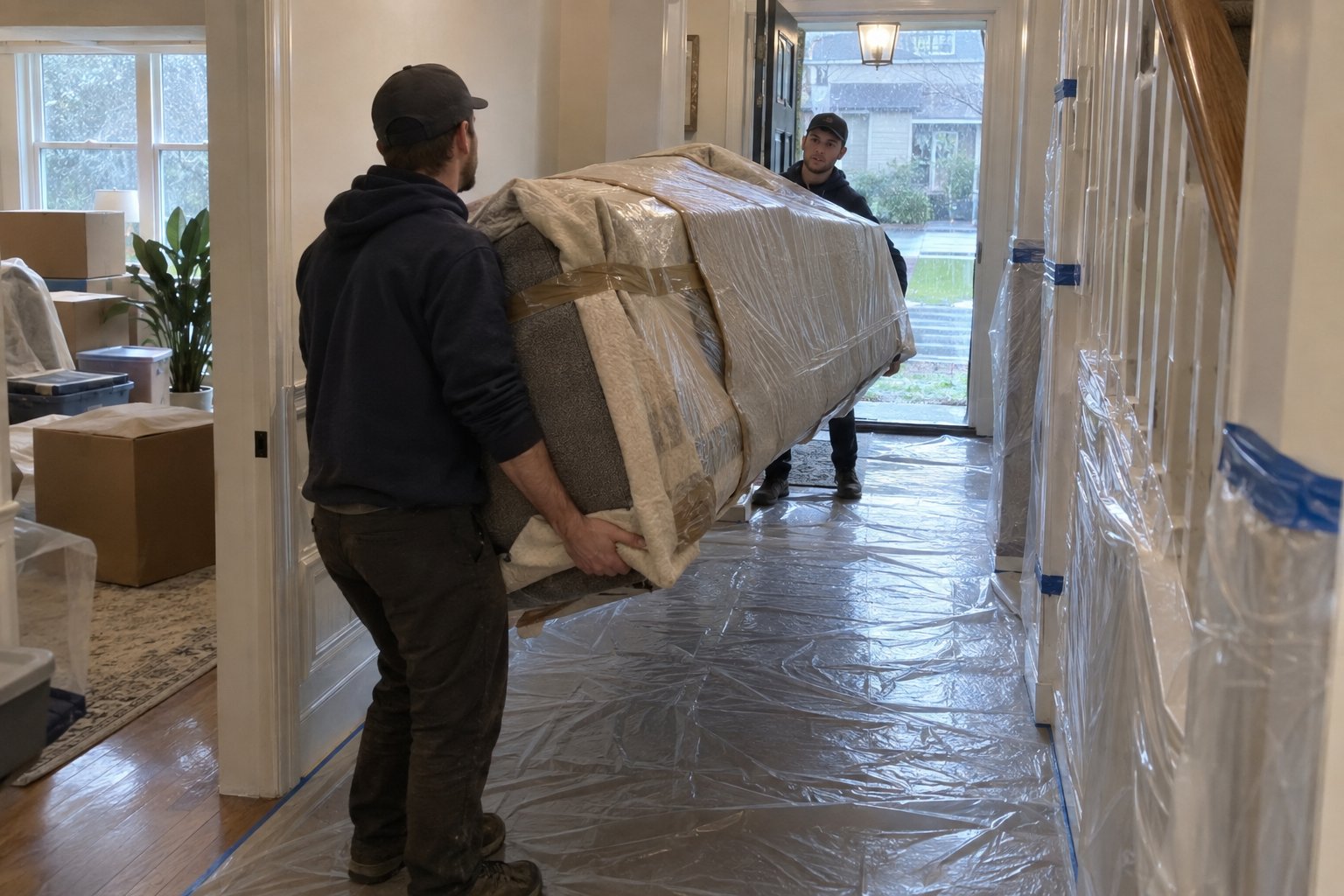
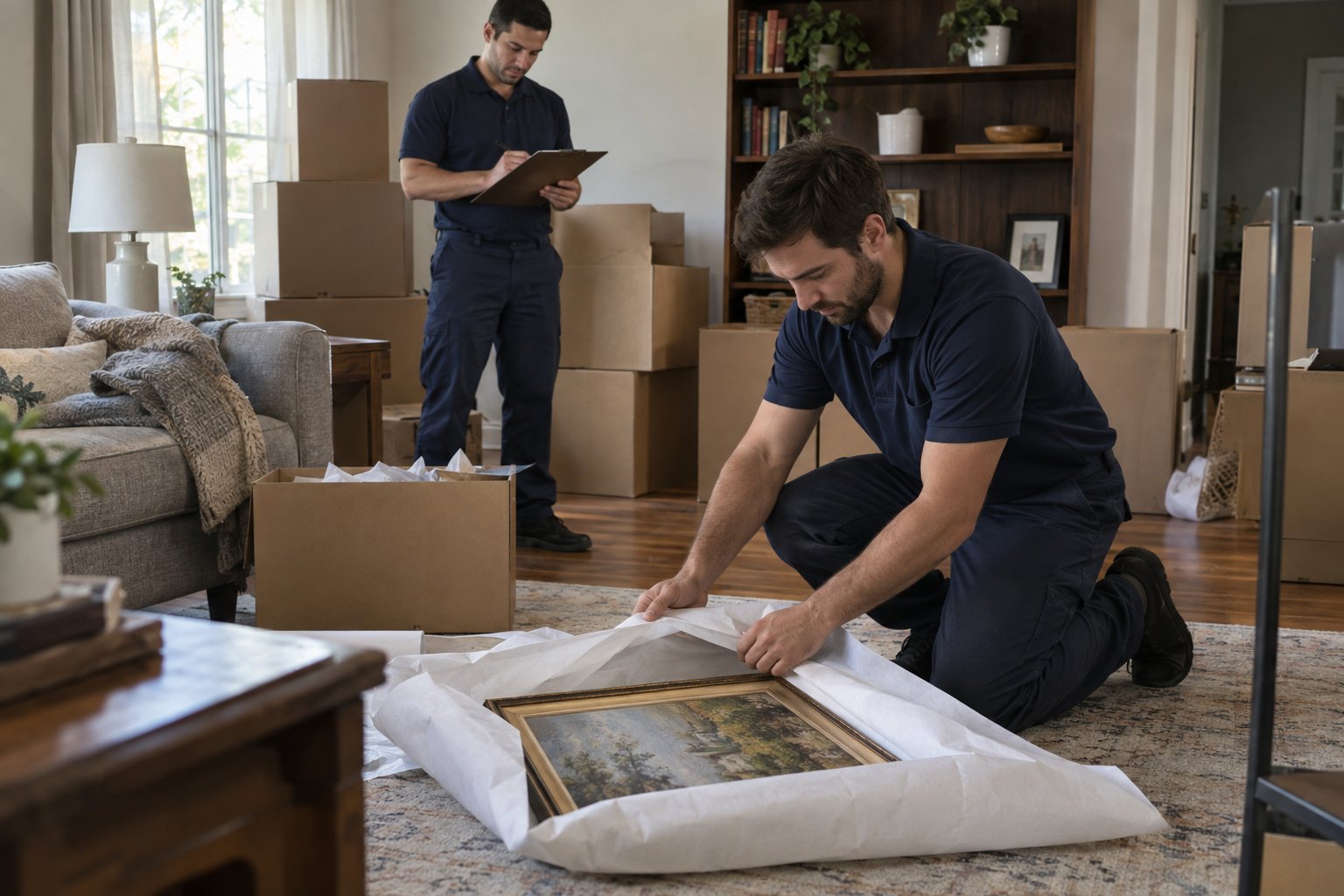
Good packing also protects your investment. Broken dishes, cracked picture frames, and scratched furniture are almost always the result of rushed or improper packing — not careless movers. When you pack with care, your movers can do their job efficiently, which matters especially on local Connecticut moves that are billed by the hour.
Before you tape a single box, gather your supplies: sturdy double-walled boxes in a variety of sizes, packing tape, bubble wrap, packing paper (plain newsprint is great), permanent markers, and adhesive labels. Having everything on hand before you begin prevents the common mistake of stopping mid-room to make a supply run.
The most effective way to pack a home is to work one room at a time, finishing each space before moving to the next. This keeps boxes organized by destination, makes labeling intuitive, and ensures nothing gets left behind or jumbled together.
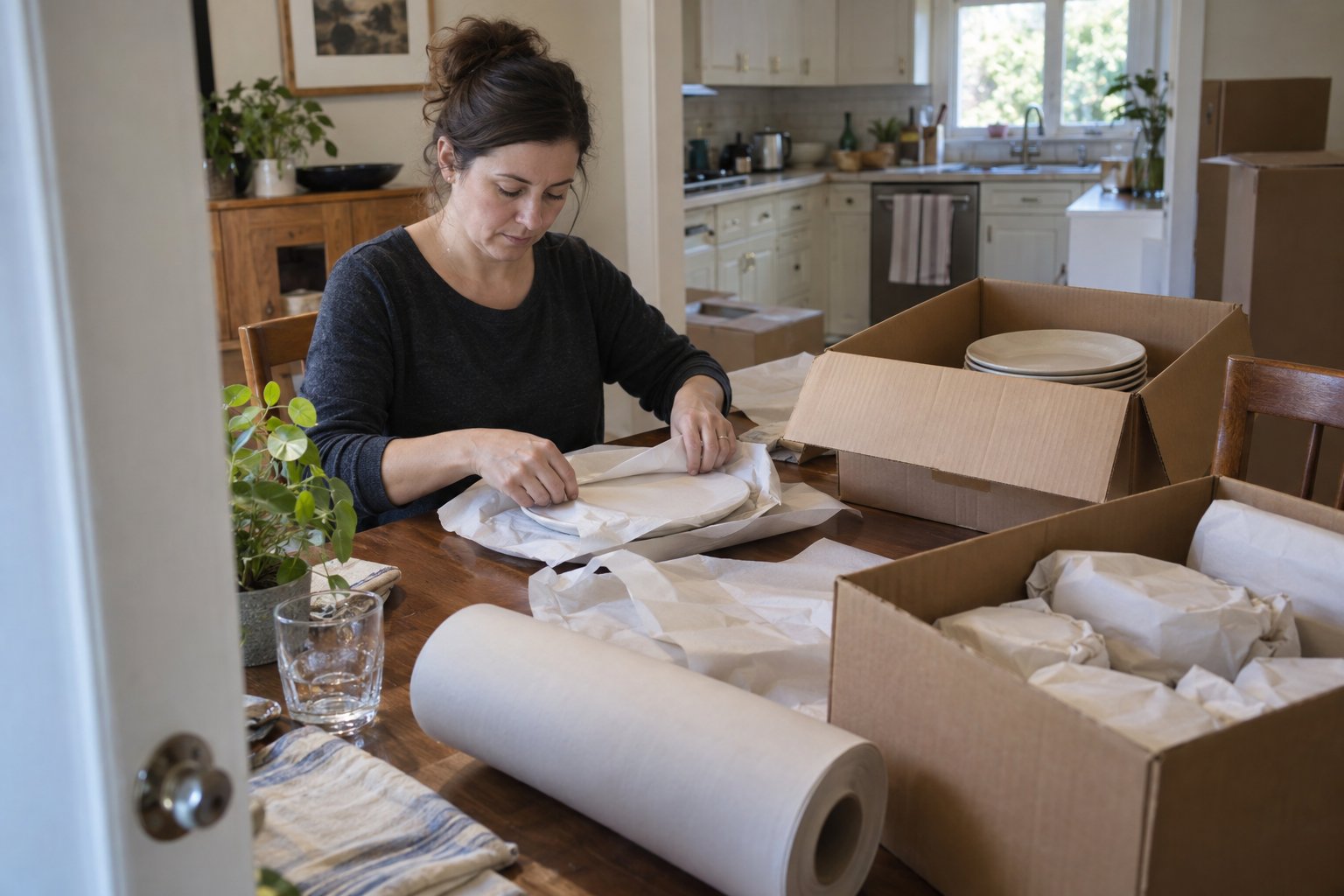
The kitchen is usually the most time-consuming room to pack, and it should be started well before moving day — ideally one to two weeks out. Begin by packing items you use infrequently: seasonal bakeware, specialty appliances, extra sets of dishes, and pantry goods you won't consume before the move.
Pots, pans, and Tupperware can go in larger boxes with heavier items on the bottom. Discard or donate pantry items you won't realistically use, especially anything that can't be transported safely (open containers, perishables).
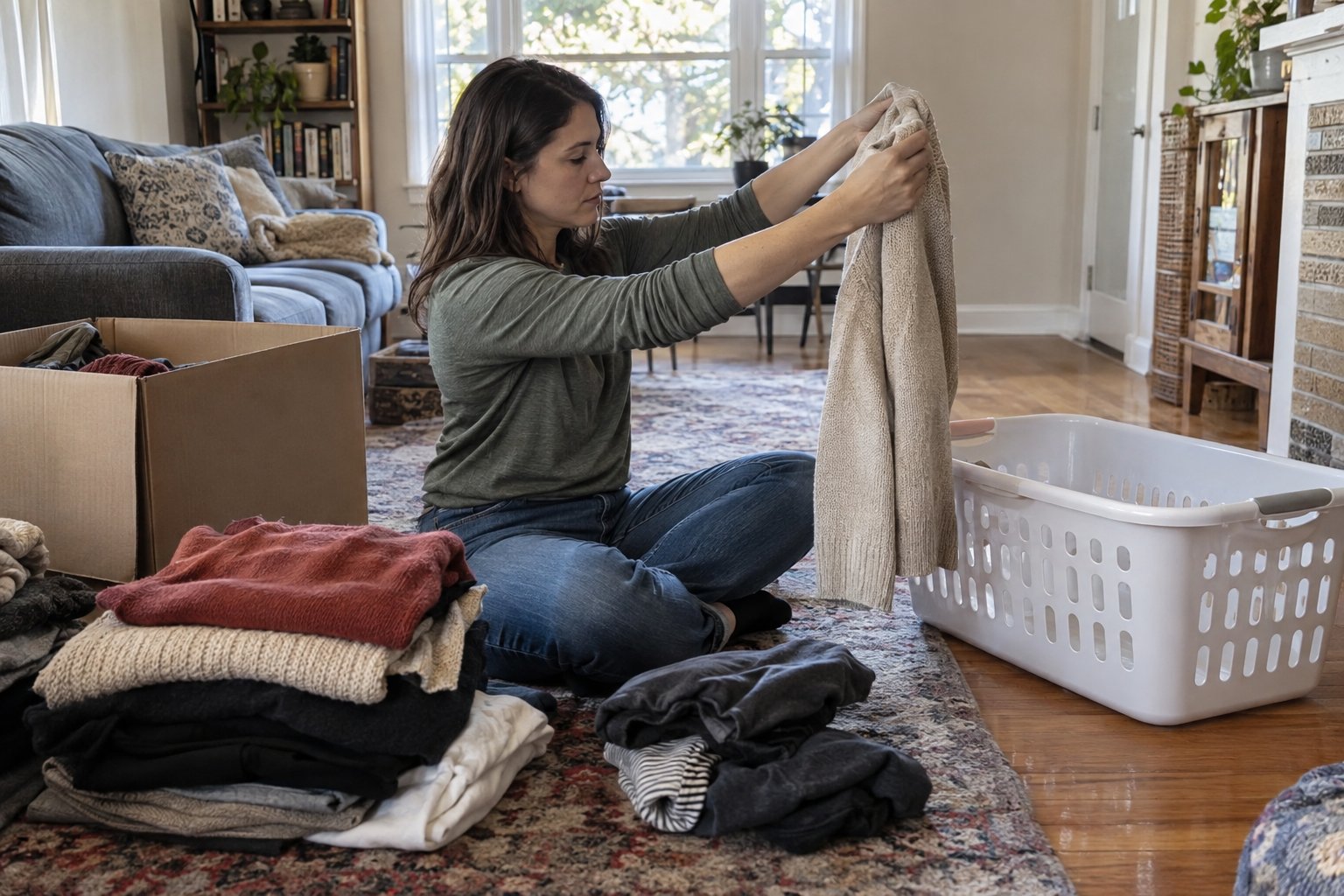
Bedrooms are generally more straightforward than kitchens, but they require some planning — especially for families with children who accumulate a lot of books, toys, and clothes.
Bathrooms are one of the fastest rooms to pack but are often left until the very last minute, which creates unnecessary stress. Aim to tackle bathrooms one to two days before the move.
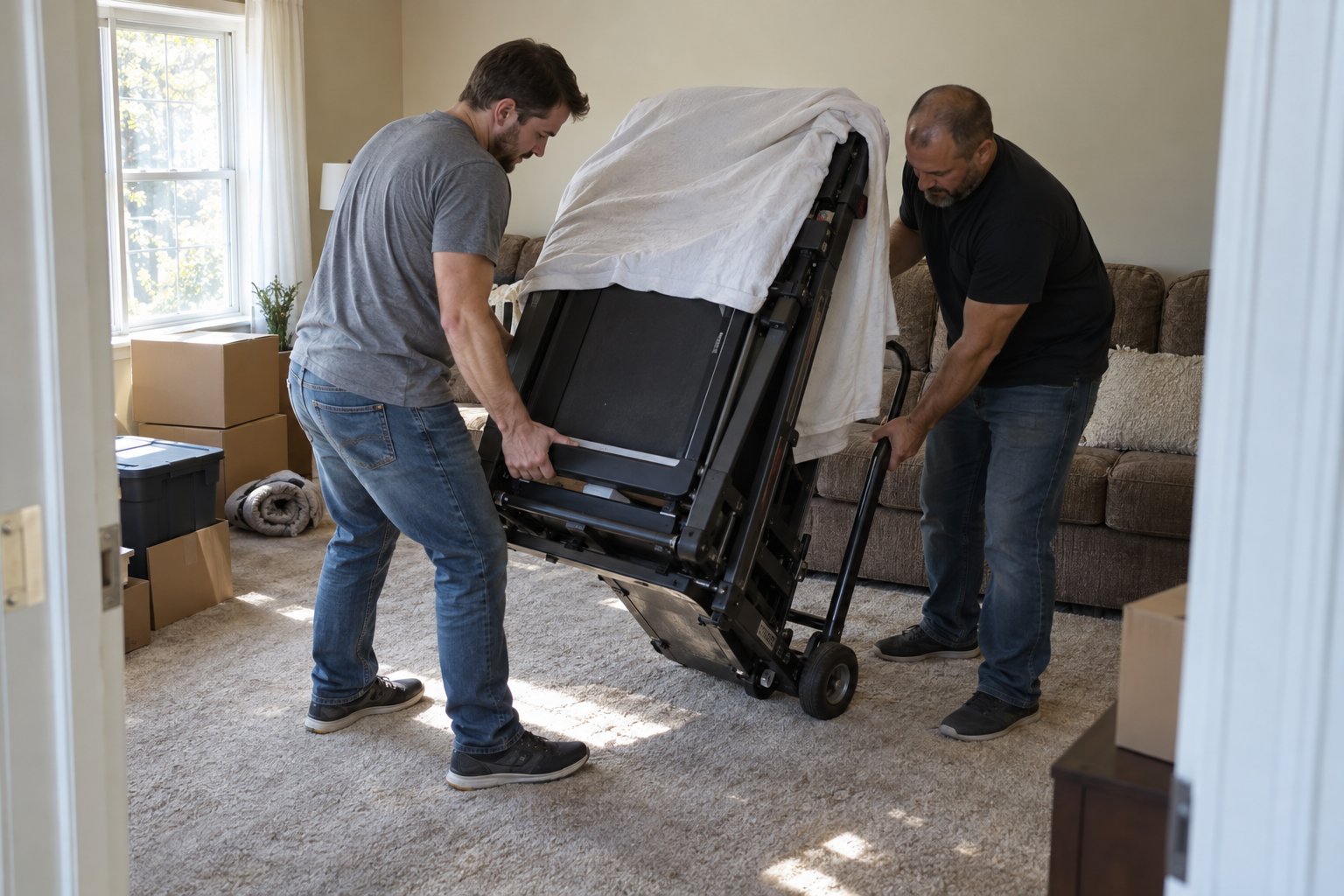
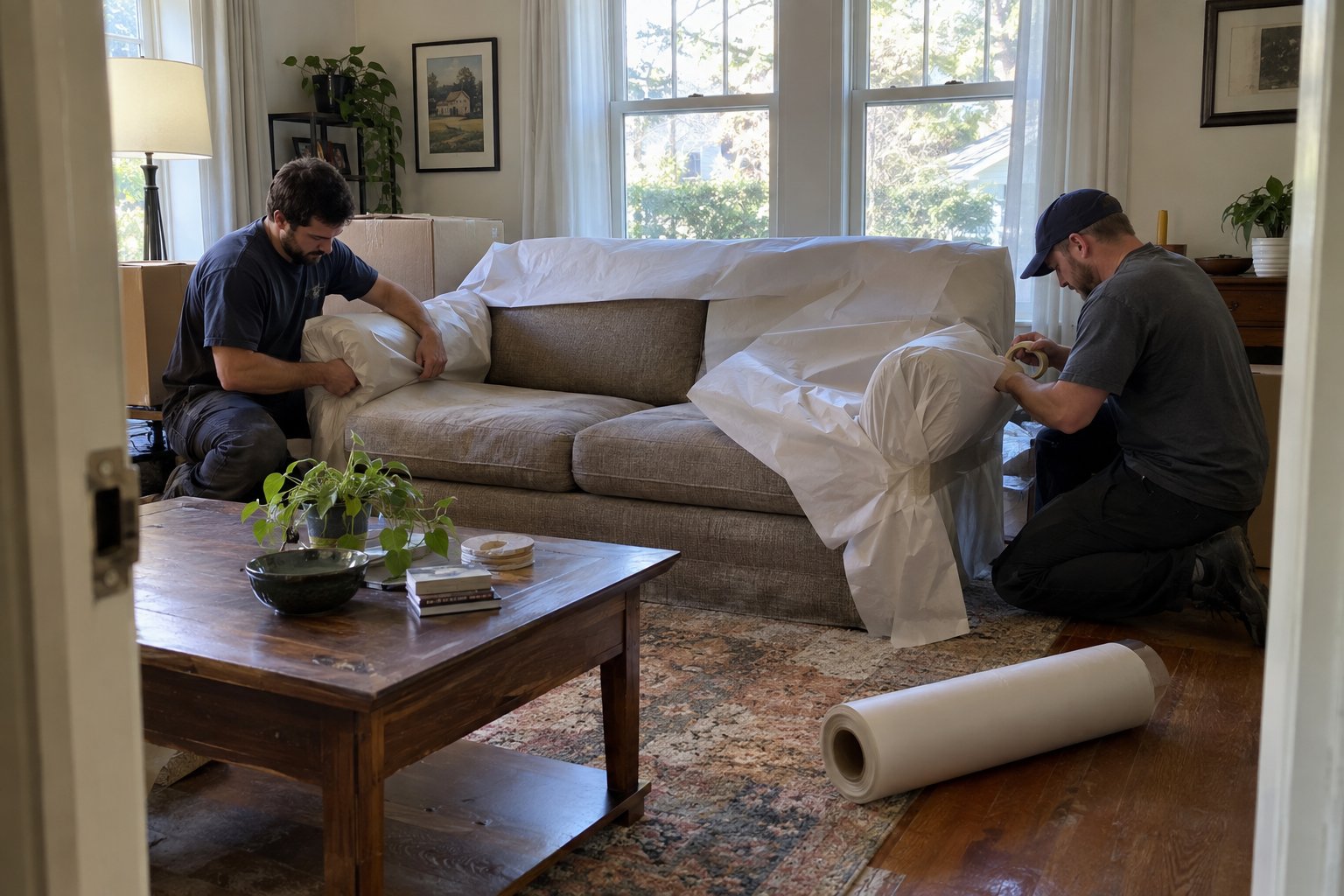
Living rooms often contain a mix of large furniture, delicate décor, electronics, and books — which requires more varied packing strategies than any other room.
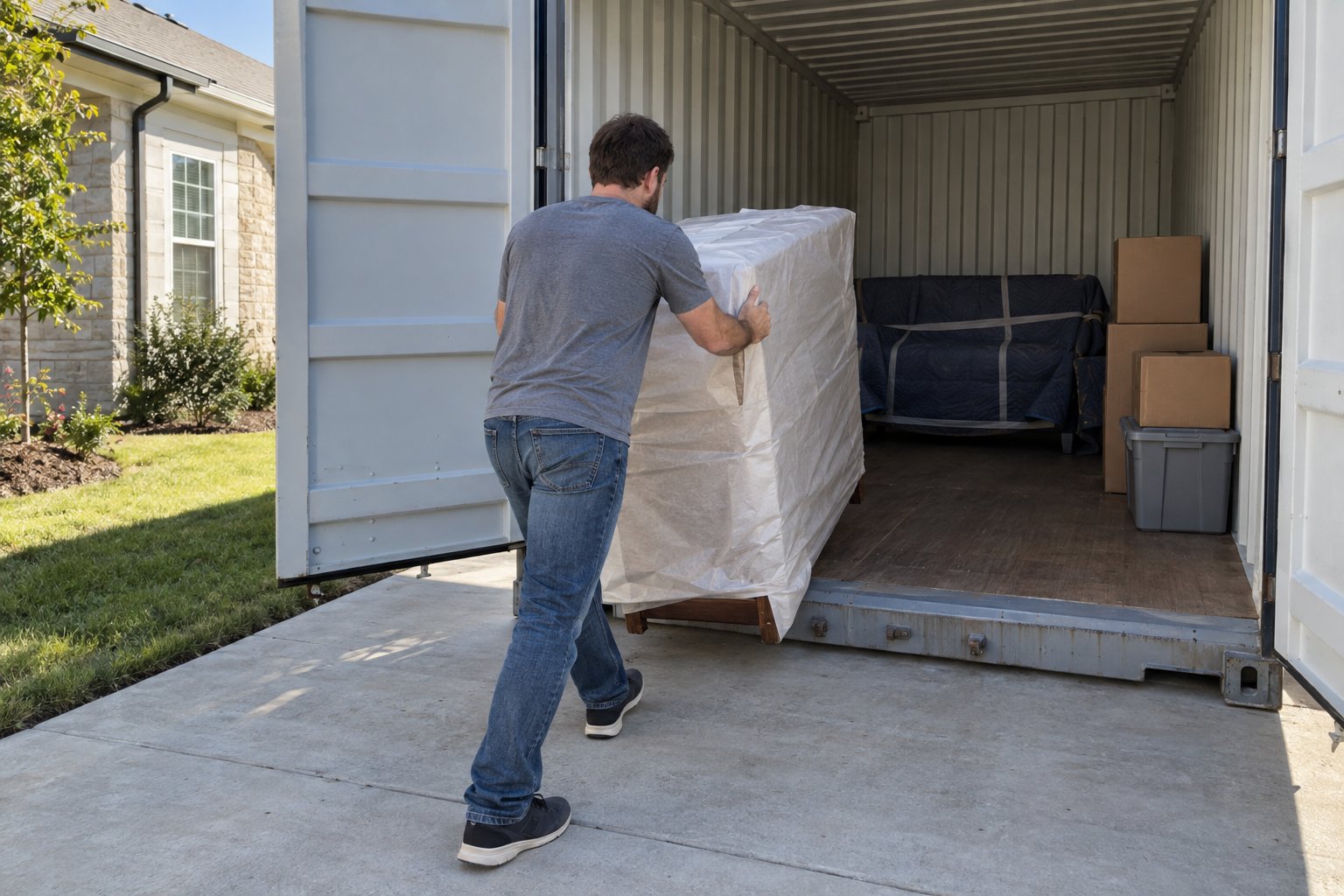
Many Connecticut homeowners have finished basements and garages that accumulate years of belongings. These areas deserve early attention — ideally weeks before moving day — because they often reveal items to donate or discard.
A common mistake is labeling boxes only on the top. When boxes are stacked, you can't read the top. Write the destination room and a brief contents description on at least two sides of every box using a bold permanent marker.
Some families find it helpful to number every box and keep a simple master list (a notebook or phone note works fine) logging what's in each numbered box. This makes finding specific items at your destination much faster and gives you confidence that nothing has been lost or left behind.
Create a priority system: "Open First" boxes should contain everything you'll need within the first 24 to 48 hours in your new home — bedding, towels, a change of clothes, phone chargers, basic kitchen supplies, and snacks. Pack these last so they're first off the truck.
On local Connecticut moves — which are typically billed by the hour — being well-prepared before the movers arrive makes a direct difference in your final bill. Here are a few final tips that professional movers consistently appreciate from their clients:
The goal of every good packing job is the same: arrive at your new Connecticut home with everything intact, clearly labeled, and ready to be put in its place. A little extra effort in the days and weeks before moving day pays off enormously when you're settling into your new space.
Most families benefit from starting the packing process four to six weeks before moving day for a typical home. Begin with rooms and items you use least frequently — storage areas, guest rooms, seasonal décor, and specialty kitchen equipment. Work toward the rooms you use daily (kitchen, bathrooms, bedrooms) in the final one to two weeks before the move. Starting early reduces last-minute stress and gives you time to declutter and donate items you no longer need.
The essentials are sturdy double-walled cardboard boxes in a range of sizes, heavy-duty packing tape, packing paper or plain newsprint (avoid printed newspaper, which can transfer ink), bubble wrap for fragile items, permanent markers, and adhesive labels. Specialty items like wardrobe boxes, mirror boxes, and dish pack kits are worth considering for specific room contents. Having all your supplies on hand before you begin a room prevents disruptive stops mid-pack.
It depends on the moving company's policy and the construction of the dresser. Some movers are comfortable moving dressers with lightweight clothing still in the drawers, as long as the dresser is sturdy and the drawers are secured. Others prefer drawers to be emptied to reduce weight and prevent damage. Always confirm this with your moving crew before loading day — and never leave heavy or breakable items in drawers during a move.
Most professional moving companies will not transport hazardous materials, including gasoline, propane tanks, paint, fertilizers, and certain cleaning chemicals. Perishable foods, open containers, and live plants are also commonly excluded, particularly on long-distance moves. Some companies have restrictions on transporting high-value items like jewelry, cash, and important documents — these are often better transported personally. Always ask your moving company for their specific prohibited items list before packing day.
Write the destination room and a brief description of contents on at least two sides of every box — not just the top, since boxes will be stacked and the top won't be visible. Use a bold permanent marker for readability. Consider numbering each box and keeping a simple master list of what's in each numbered box; this makes finding specific items much faster. Pack an 'Open First' box for each family member containing the essentials they'll need within the first 24 to 48 hours — bedding, a change of clothes, chargers, toiletries, and snacks.
Long distance moving throughout all of New England and the tristate area (NY, NJ, PA) as well!
From North Branford to communities across Connecticut, CT Family First Movers is here when you need residential, commercial, or long-distance moving services. Request your free quote today.