Written by:
CT Family First Movers
Published:
July 13, 2026
Discover practical tips for moving with kids in Connecticut — from preparing toddlers to helping teens adjust — so your whole family arrives ready to love your new home.
For Connecticut families, moving with kids adds a whole new layer of complexity to an already big life event. Whether you're relocating from Fairfield County to the Farmington Valley or moving across the state to be closer to family, the needs and emotions of your children deserve just as much planning as the logistics of the move itself. The good news: with a little preparation and a lot of empathy, moving day can become a family milestone your kids remember positively — not one that fills them with anxiety.
For adults, a move often represents opportunity: a bigger home, a new job, a fresh start. For children, the same move can feel like loss — of friends, classrooms, routines, and the only bedroom they've ever known. Recognizing this difference is the first step toward helping your kids navigate the transition with confidence.
Research in child development consistently shows that children feel more secure when they have a sense of control and predictability. When kids are included in age-appropriate decisions and given honest information about what to expect, they tend to handle transitions more smoothly. That principle is the foundation of every tip in this guide.
It's also worth noting that children process change differently at different ages. Toddlers thrive on routine and will feel the disruption most physically — through sleep changes and clinginess. School-age children worry about friendships and fitting in. Teenagers grieve the social world they're leaving behind, sometimes intensely. Each age group needs a tailored approach.
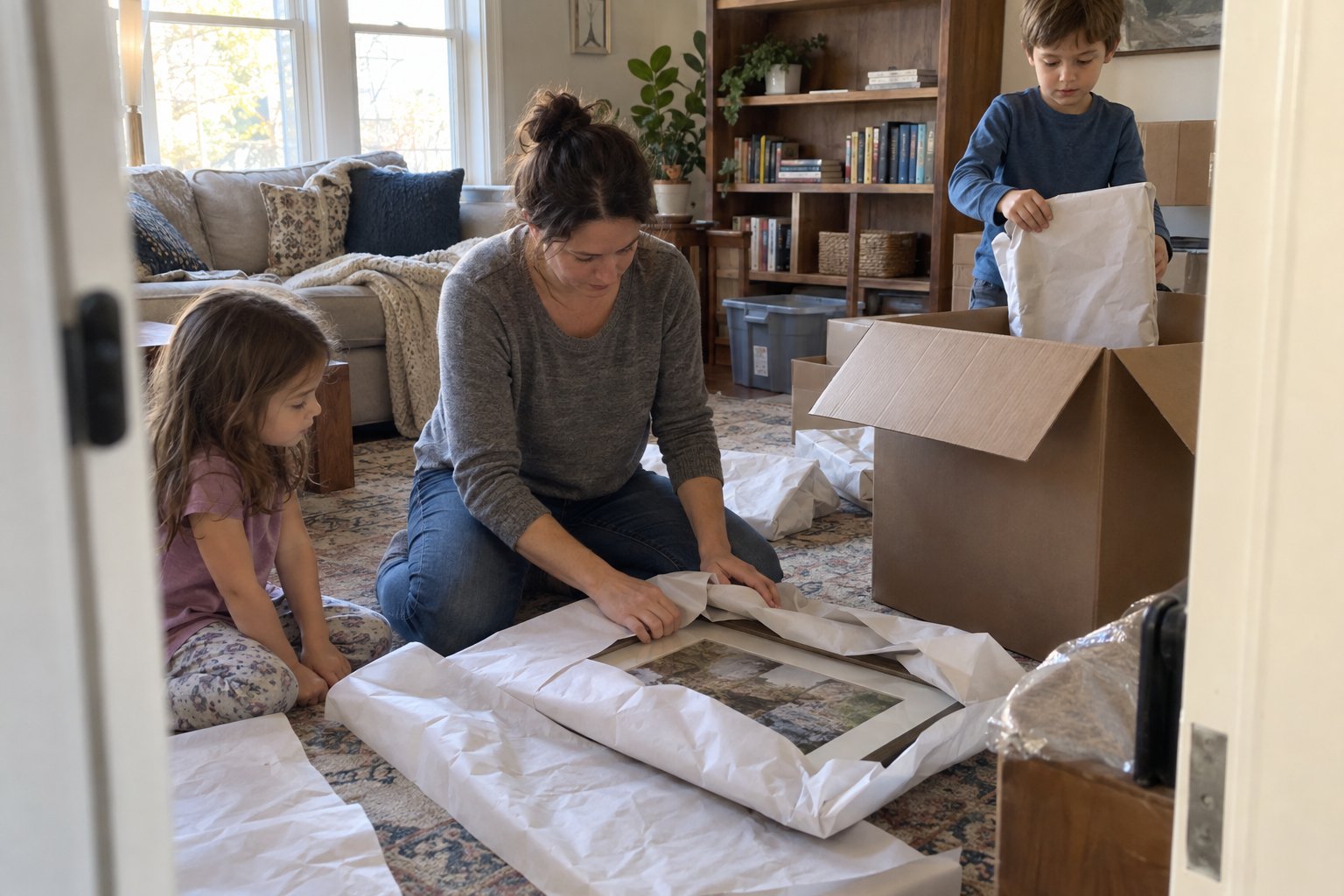
The weeks before the move are your most powerful window for setting your children up for success. This is when conversations, rituals, and practical involvement make the biggest difference.
Very young children don't fully understand what "moving" means until they see it happening. Keep explanations simple and reassuring: "We're going to a new house. Your toys, your books, and your bed are all coming with us." Read picture books about moving together — there are many written specifically for this age group — to help normalize the experience.
School-age kids understand the move but are most worried about friendships and their place in a new school. Acknowledge those concerns directly — don't dismiss them with "You'll make new friends in no time." That may be true, but it doesn't honor what they're feeling right now.
Teens often have the hardest time with moves, partly because their social identities are deeply tied to their peer groups and partly because they have the least control over the decision. Respect that reality. Don't minimize their grief, and don't expect immediate enthusiasm for the new location.
Good planning doesn't just reduce stress for parents — it creates a calmer, more predictable environment for kids on moving day itself.
One of the most effective strategies for families is setting aside a clearly labeled "Open First" box — or even a backpack — for each child. This box travels in the car with the family (not the moving truck) and contains everything a child needs to feel at home during the first 24 hours: a favorite stuffed animal, pajamas, a change of clothes, a toothbrush, a favorite snack, a tablet or book, and a charger. When children have immediate access to familiar, comforting items, they settle into the new space much faster.
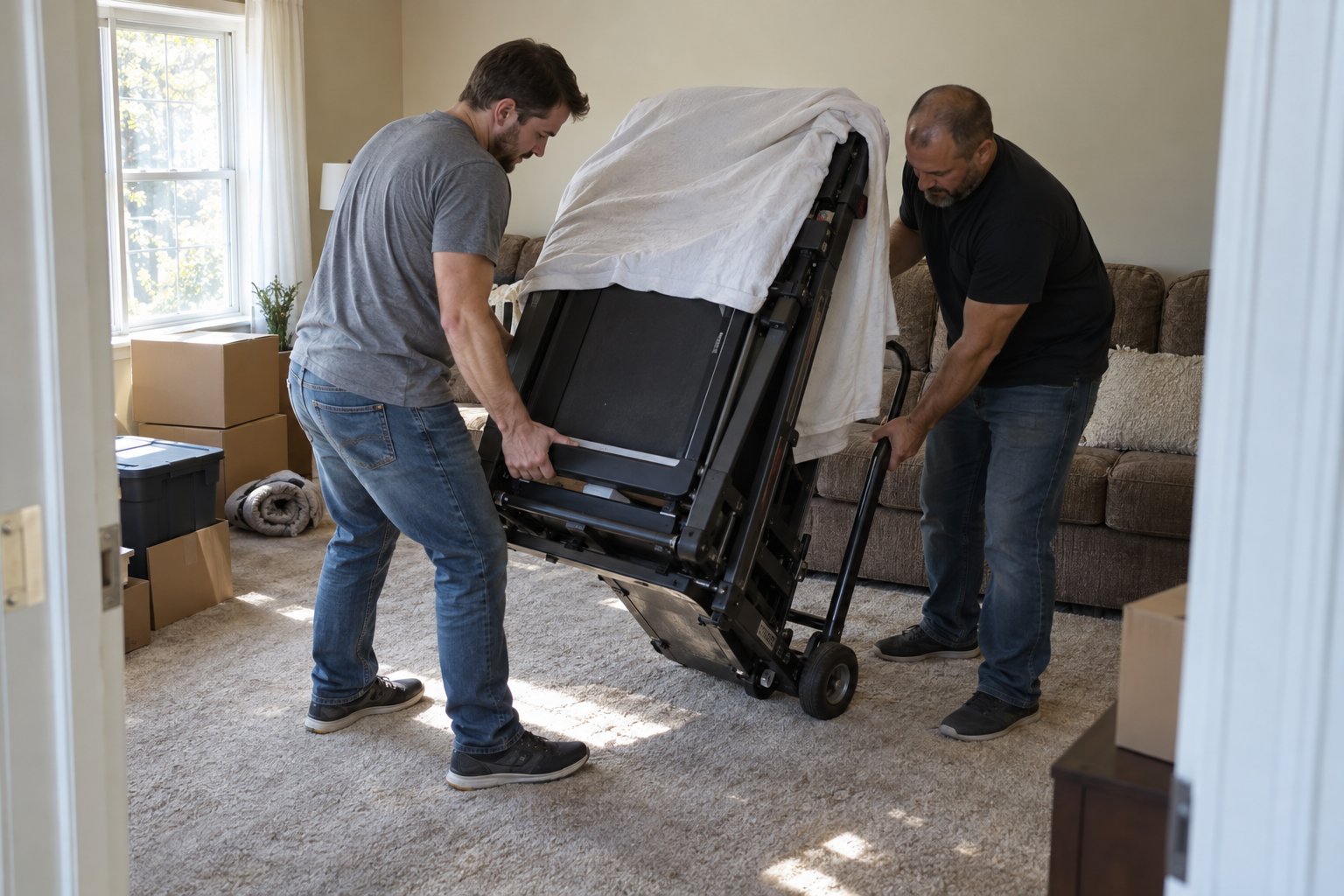
Moving day is hectic by nature, but a few strategies can significantly reduce chaos for families with children.
The work of helping your children adjust doesn't end when the truck pulls away. The weeks after a move are often when the emotional reality sinks in — especially for school-age kids and teens.
Routine is one of the most powerful tools parents have during a transition. Within the first week, try to establish consistent mealtimes, bedtimes, and morning rhythms. Explore the new neighborhood together — find the nearest park, ice cream shop, or library. Small, repeated rituals create a sense of belonging faster than any amount of unpacking.
Some adjustment difficulty is normal and expected. However, if a child shows signs of persistent withdrawal, significant sleep disturbances, a sharp drop in school performance, or prolonged sadness weeks after the move, it may be worth speaking with a pediatrician or school counselor. Moving is a recognized stressor for children, and there's no shame in asking for additional support when needed.
Create a small family tradition around arriving in the new home — a special meal in the new kitchen, a walk around the new neighborhood together, or a first-night movie in sleeping bags in the living room. These moments become anchors in your family's story of the move, shifting the narrative from "what we lost" to "what we're building."
Not all moving companies are equally attuned to the needs of families. When you're moving with kids in Connecticut, look for a mover who communicates clearly, shows up on time, and treats your home — and your family — with genuine care. A company that understands the emotional stakes of a family move will work efficiently, communicate with you throughout the day, and handle your belongings with the attention they deserve.
Discuss your family's needs with your moving company in advance. Let them know if you have very young children who need a quieter environment, or if you'd like children's rooms prioritized at the destination. A responsive, family-focused moving team will accommodate reasonable requests and make the whole experience significantly smoother for everyone involved.
Children of almost any age can participate in moving day in some way. Toddlers can carry their own small backpack with comfort items. Children ages six and up can manage their 'Open First' box, help direct movers to the correct rooms, and carry lightweight personal items. Teenagers can take on more substantial roles like helping supervise younger siblings, managing a task list, or coordinating with movers. Giving every child a job — however small — reduces anxiety and helps them feel part of the process rather than swept along by it.
Generally, yes — giving children as much advance notice as is practical is beneficial. It gives them time to process the change emotionally, say proper goodbyes to friends and teachers, and feel included rather than blindsided. For toddlers and preschoolers, too much lead time can increase anxiety, so a few weeks is usually appropriate. For school-age children and teens, several months of notice — when possible — allows them to adjust gradually and participate meaningfully in the planning process.
Acknowledge their feelings honestly rather than dismissing them with reassurances like 'You'll make new friends quickly.' Let them grieve the friendships and experiences they're leaving. Help them plan concrete ways to stay in touch with close friends — video calls, texts, and scheduled visits. Research activities and clubs in the new area that align with their interests so they have something specific to look forward to. If a child's distress is prolonged or significantly impacts their daily functioning, consider speaking with their pediatrician or a school counselor for additional support.
Both options have trade-offs. Moving over the summer gives children time to settle into the new home and neighborhood before the added stress of a new school begins. However, it can mean a longer period without the social structure of school, which some children find isolating. Moving mid-school year allows children to enter an active social environment right away, though the adjustment is compressed. Many families find that moving in late spring or early summer strikes the best balance — giving kids enough time to feel settled before September. Ultimately, the decision should reflect your family's specific circumstances and your children's personalities.
A child's 'Open First' box — or backpack — should contain everything they need to feel comfortable and cared for during the first 24 hours in the new home. Essentials typically include a favorite stuffed animal or comfort item, pajamas, a change of clothes, a toothbrush and basic toiletries, a favorite snack or two, a book, tablet, or small toy, and a device charger if applicable. This box should travel in the family car rather than on the moving truck so it's immediately accessible when you arrive. Setting it up in advance is a great task to do with your child — letting them choose what goes in it gives them a sense of control.
Long distance moving throughout all of New England and the tristate area (NY, NJ, PA) as well!
From North Branford to communities across Connecticut, CT Family First Movers is here when you need residential, commercial, or long-distance moving services. Request your free quote today.