Written by:
CT Family First Movers
Published:
October 16, 2026
Learn how to move a Peloton the right way, from detaching the screen to protecting the flywheel, so your bike arrives ready to ride at your new home.
Knowing how to move a Peloton comes down to three things: removing or securing the touchscreen console so it never takes a direct hit, protecting the flywheel and resistance knob from dust and impact, and keeping the bike upright during transport instead of laying it on its side. A Peloton is not just heavy, it is a precision electronic device bolted to a piece of exercise equipment, and the two parts fail for different reasons if you treat the whole thing like a regular bike.
This guide walks through exactly how to prepare a Peloton Bike or Bike+ for a move, what tends to go wrong, and when it makes sense to bring in hands you can rely on for the heavier lifting.
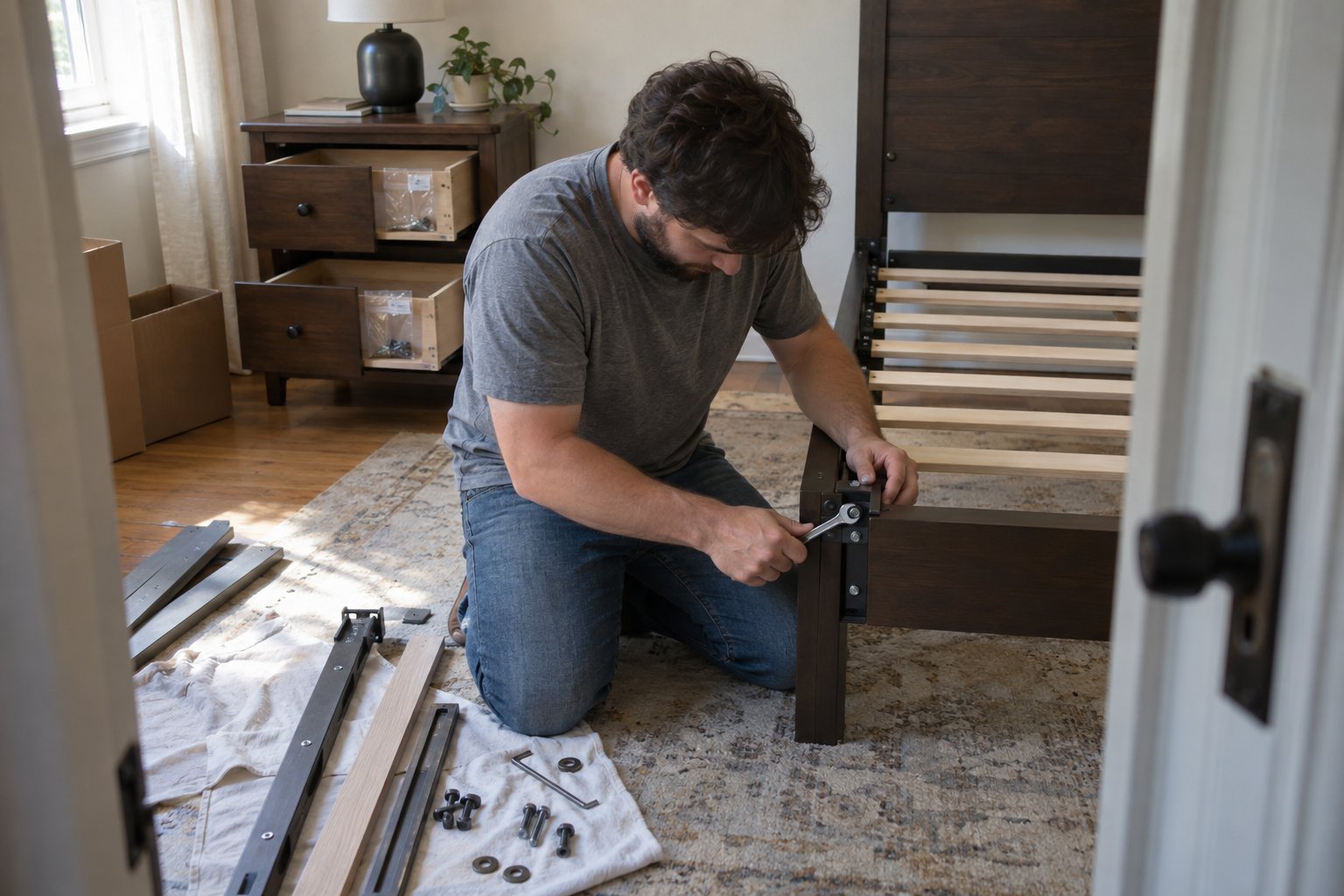
Preparation starts with powering down the console, disconnecting all cables, and removing the water bottle holder, weights, and any accessories so nothing shifts or snaps off during transport. Skipping this step is the single most common reason a Peloton arrives at a new address with a cracked accessory tray or a dangling cable that got pinched in a doorway.
Unplug the power cord from the wall first, then from the back of the console. Unclip the resistance knob cable if your model allows it, and remove any handlebar-mounted accessories like a phone holder or fan clip. Set the pedals level before you start moving the bike so they do not swing and strike your shins or the frame during the carry.
If your Peloton model has a detachable screen, taking it off and packing it separately is the safer option, since the console is the most expensive and most fragile part of the entire machine. Wrap it in a soft blanket or moving pad, place it screen-side protected in a padded box, and carry it in a vehicle rather than a moving truck whenever possible so it stays within sight and out of the jostling cargo area.
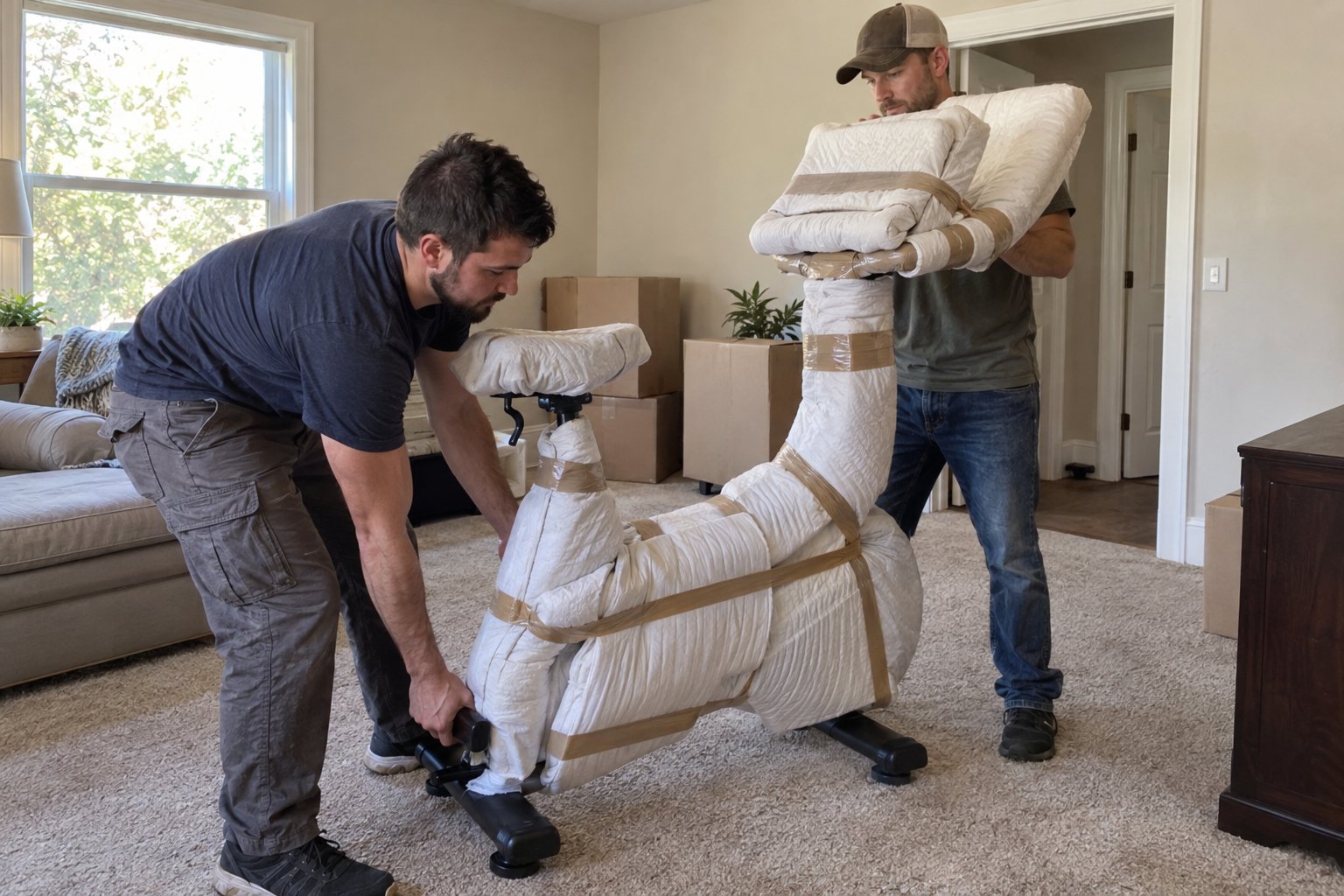
If the screen is fixed to the frame on your model, leave it attached but cover it completely with a moving blanket secured by stretch wrap, not tape, which can leave residue or peel the finish when removed.
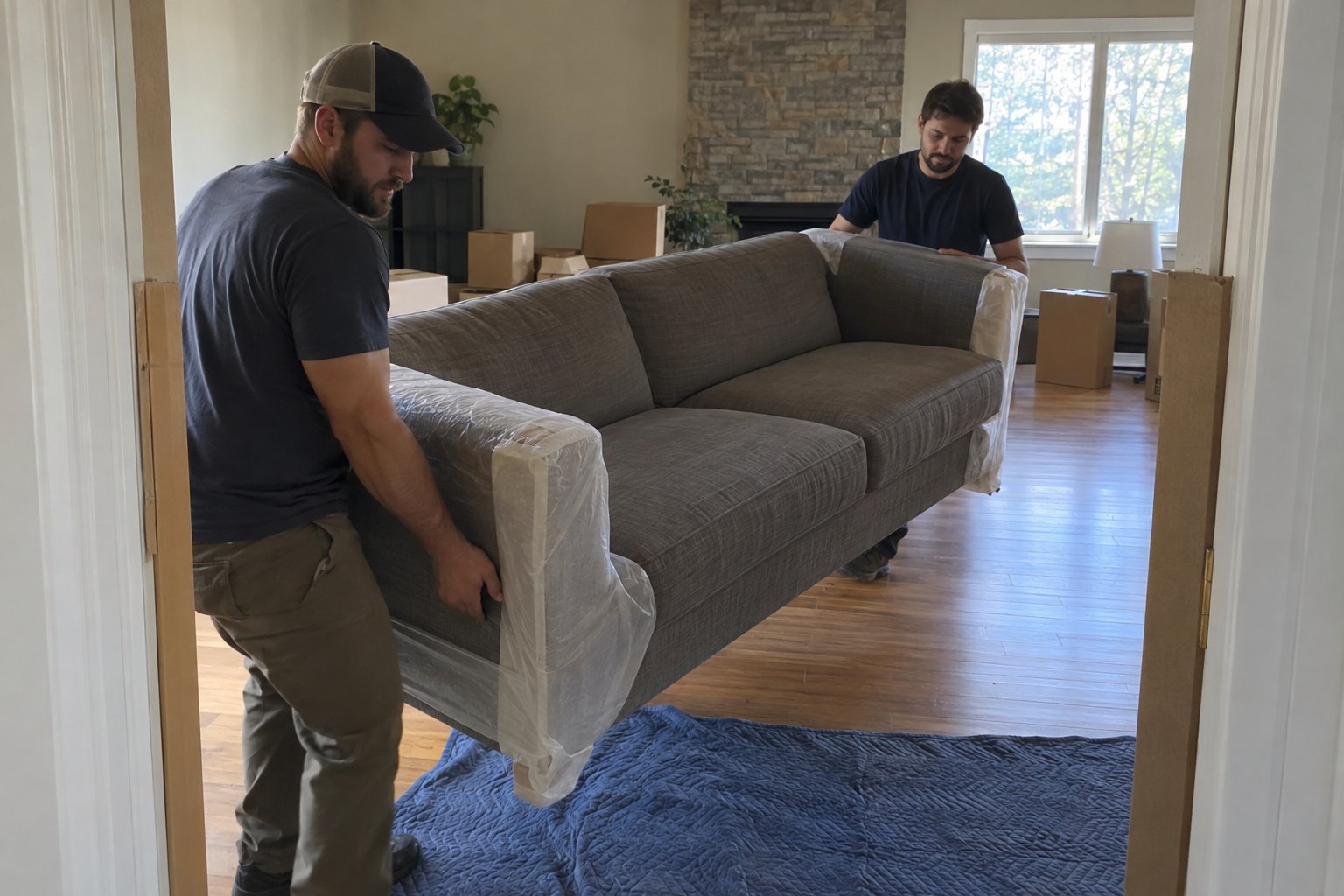
A Peloton should always be lifted and carried upright by two people, one holding the front near the handlebars and one holding the rear near the flywheel housing, never tipped onto its side or dragged across the floor. The bike's base is narrow relative to its height, which makes it top-heavy and easy to tip if only one person tries to muscle it through a doorway alone.
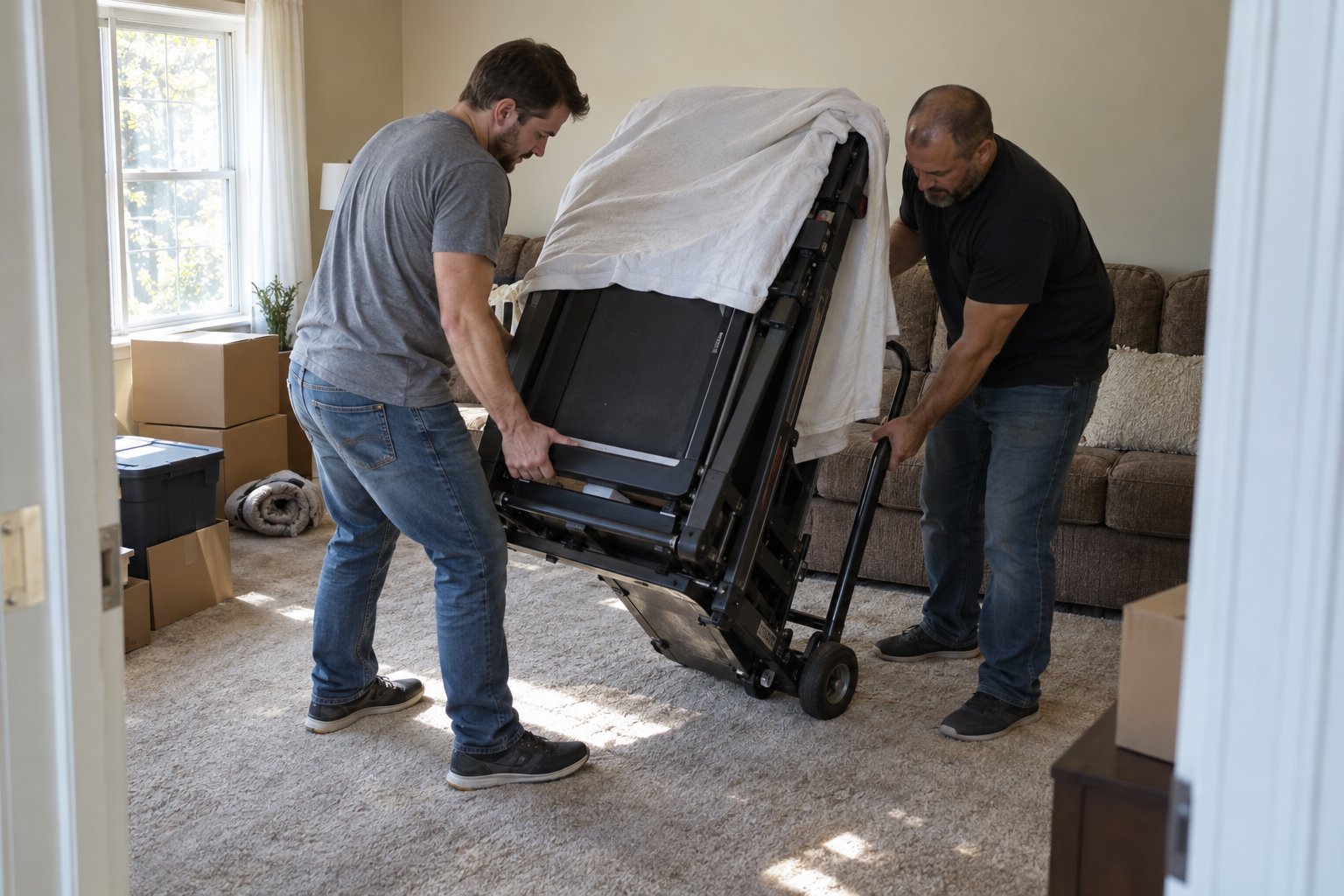
Use a furniture dolly with straps rather than carrying the full weight down a staircase. Lower the bike onto the dolly gently, strap it across the frame (not the console or pedals), and walk it slowly, especially around corners and thresholds where the pedals can catch.
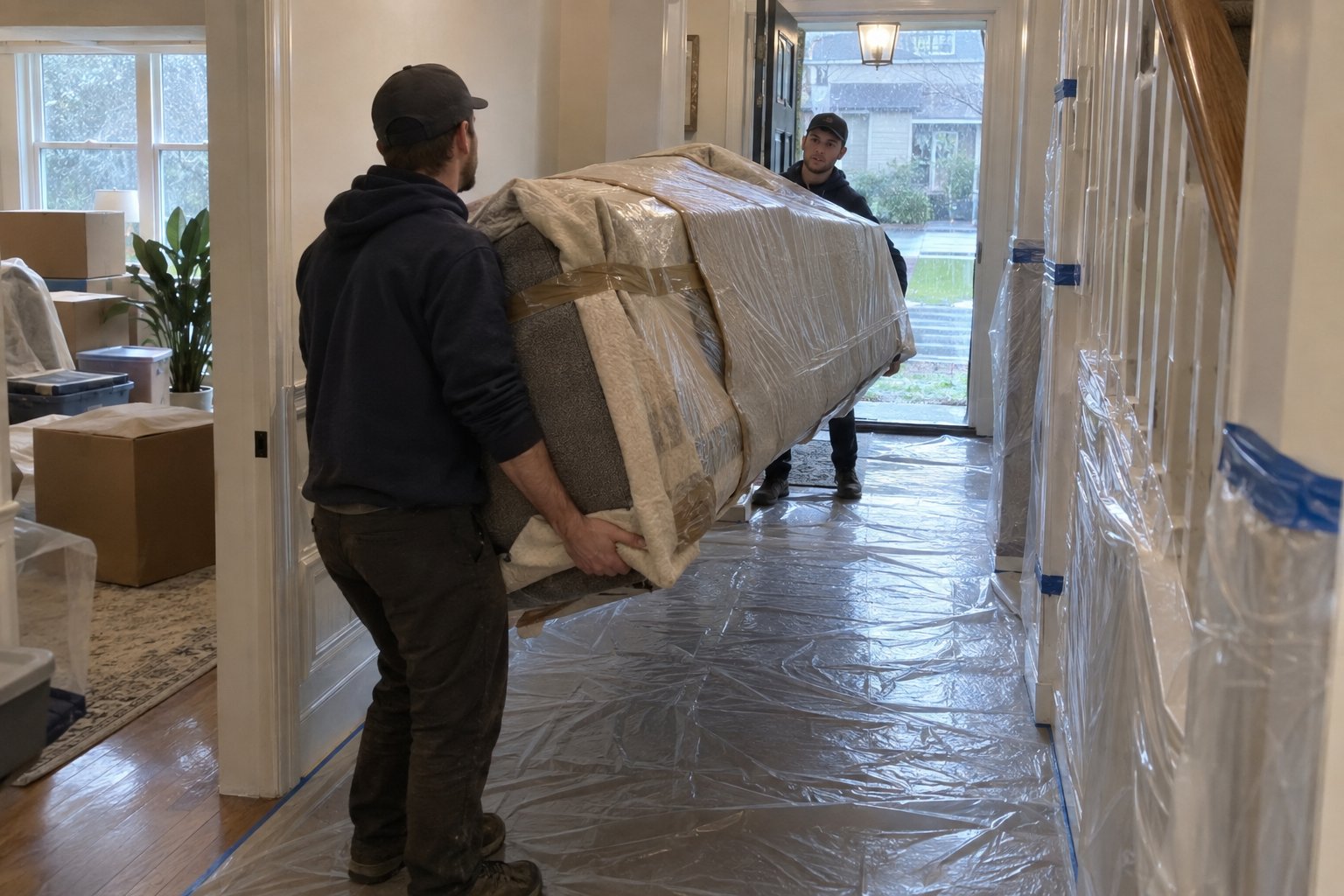
Lay down moving blankets or ramp board on hardwood and tile floors before you start the carry, since the metal base and pedal clips scratch easily if the bike is dragged even a few inches. Measure doorway widths in advance; a Peloton's handlebars are wider than they look, and forcing it through a narrow frame is how walls and wrists both get banged up.
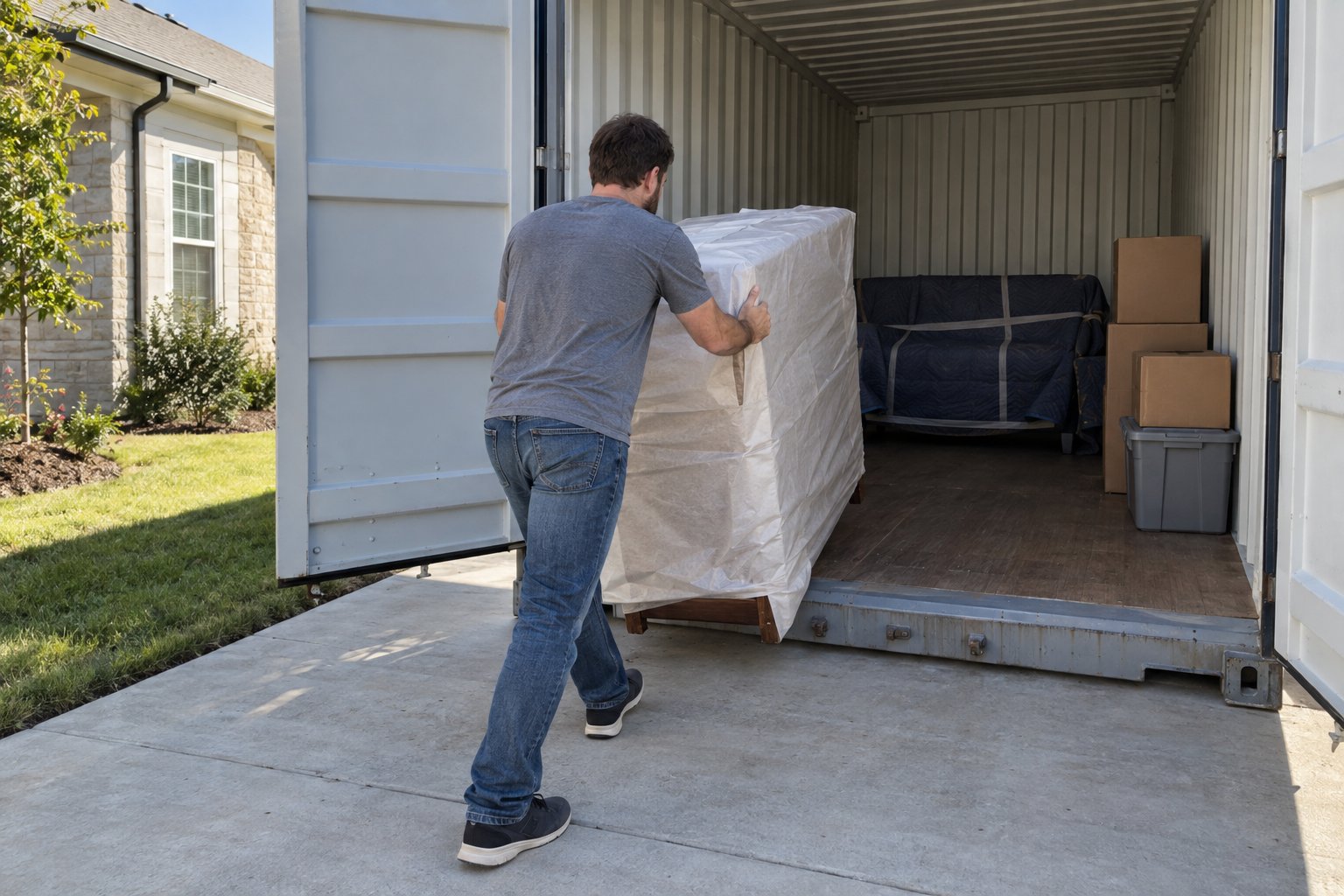
A Peloton should ride upright, braced against the truck wall with straps across the frame, and positioned so nothing heavy can shift against the console or flywheel during transit. Laying it flat is tempting because it looks more stable, but it puts pressure on the screen mount and can cause fluid or lubricant inside the flywheel housing to settle unevenly.
Place the bike toward the front of the truck where road vibration is lowest, and surround it with soft-sided items like bagged bedding or boxed linens rather than hard furniture edges. Avoid stacking anything on top of it, even temporarily, since the frame is not designed to bear weight from above.
Most Peloton bikes do not require recalibration after a move as long as the resistance knob and pedals were not forced or dropped during transport. Once it is reassembled at the new home, check that the bike sits level on the floor, reconnect the console, and run a short test ride before trusting it for a full workout.
Getting help makes sense whenever your move involves stairs, a long carry distance, or a Peloton heavy enough that two people struggle to control it safely. A dropped console or a pinched finger on a staircase costs far more than the time it takes to have an extra set of trained hands on the lift.
If you are lifting a Peloton as part of a larger household move, our local moving services include carrying heavy items like this through doorways and stairwells and protecting both the equipment and your floors along the way, so you are not trying to coordinate the lift alone on top of everything else moving day throws at you.
Before the truck arrives, confirm the console is detached or fully covered, every cable is disconnected and bundled, and the bike has a clear, measured path from its current spot to the door. Walk that path once with nothing in your hands to spot tight turns or low doorframes you might have missed.
If you are still working through the rest of your packing list, our moving checklist and timeline lays out what else needs attention in the weeks before your move, so specialty items like a Peloton do not get left for the last chaotic hour. And if you would rather not lift a 130-plus pound bike through a stairwell yourself, you can get a moving quote and build it into your moving day plan.
Yes, a Peloton does not need to be boxed as long as the console is wrapped and protected and the frame is covered with moving blankets. Most people transport it upright and secured rather than boxed, since the bike's shape does not fit a standard box efficiently.
The original Peloton Bike weighs around 135 pounds and the Bike+ is slightly heavier, both concentrated in a narrow base that makes the bike top-heavy. That weight distribution is why two people and a dolly are recommended rather than one person carrying it solo.
Full disassembly is not usually necessary; removing the console, pedals if loose, and any accessories is typically enough preparation. The frame itself stays intact, which keeps reassembly at your new home quick and straightforward.
It is better to keep a Peloton upright during transport, since laying it flat puts pressure on the console mount and can disturb the flywheel's internal lubrication. If upright transport is impossible, pad it heavily and avoid stacking anything on top.
Moving the bike itself will not affect your account or saved settings, since those live in the cloud rather than on the local device. You will just need to reconnect the console to your new home's WiFi network once it is set back up.
Long distance moving throughout all of New England and the tristate area (NY, NJ, PA) as well!
From North Branford to communities across Connecticut, CT Family First Movers is here when you need residential, commercial, or long-distance moving services. Request your free quote today.