Written by:
CT Family First Movers
Published:
October 6, 2026
Learn how to transport a treadmill the right way: folding steps, disconnecting the console, loading angles, and when to call professional movers instead.
Transporting a treadmill safely comes down to three things: folding and locking it correctly before it ever leaves the floor, protecting the console and motor housing from shocks, and getting enough hands under its weight to carry it without tipping. A treadmill is awkward rather than fragile, dense in the base and top-heavy at the console, which is exactly the combination that leads to pinched fingers, cracked display panels, and scratched hallway walls when people try to muscle it out alone.
This guide walks through how to transport a treadmill from your current home in New Haven County to the next one, whether it's riding in a pickup truck for a short hop across town or going on a moving truck for a longer trip.
Preparing a treadmill for a move starts with unplugging it, folding the deck if it has a folding frame, and securing any moving parts so nothing shifts or unlocks in transit. Skipping prep is the single biggest cause of treadmill damage during a move, not the actual carrying.
Start by unplugging the unit at least an hour before you need to move it so the motor has time to cool. If your model folds, raise the deck and engage the locking pin or latch, then give it a gentle tug to confirm it's actually locked rather than just resting in the upright position. Unfolded or improperly locked decks are the most common reason a treadmill slams shut mid-carry.
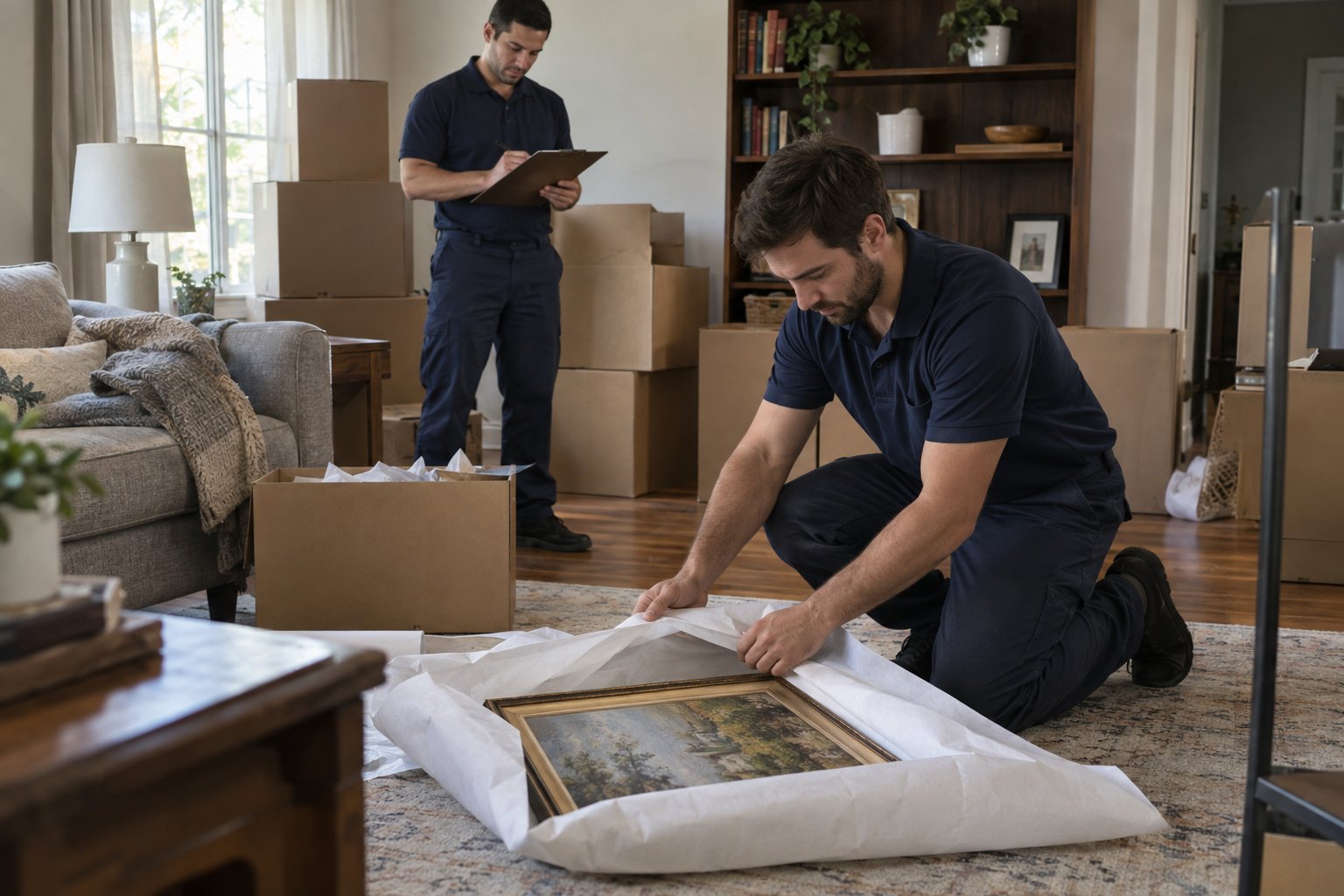
Next, remove the safety key and any loose accessories like a tablet holder, water bottle cage, or heart rate strap. Wrap the console and display in a moving blanket or thick towel, securing it with stretch wrap rather than tape, which can leave residue on plastic housing.
If your treadmill has an incline motor or any cables running between the console mast and the base, check your owner's manual before disconnecting anything. Some models allow the console arms to fold down flat without touching wiring, which is the safer option. If cables must be unplugged, take a photo of the connections first so reassembly at the new house doesn't turn into guesswork.
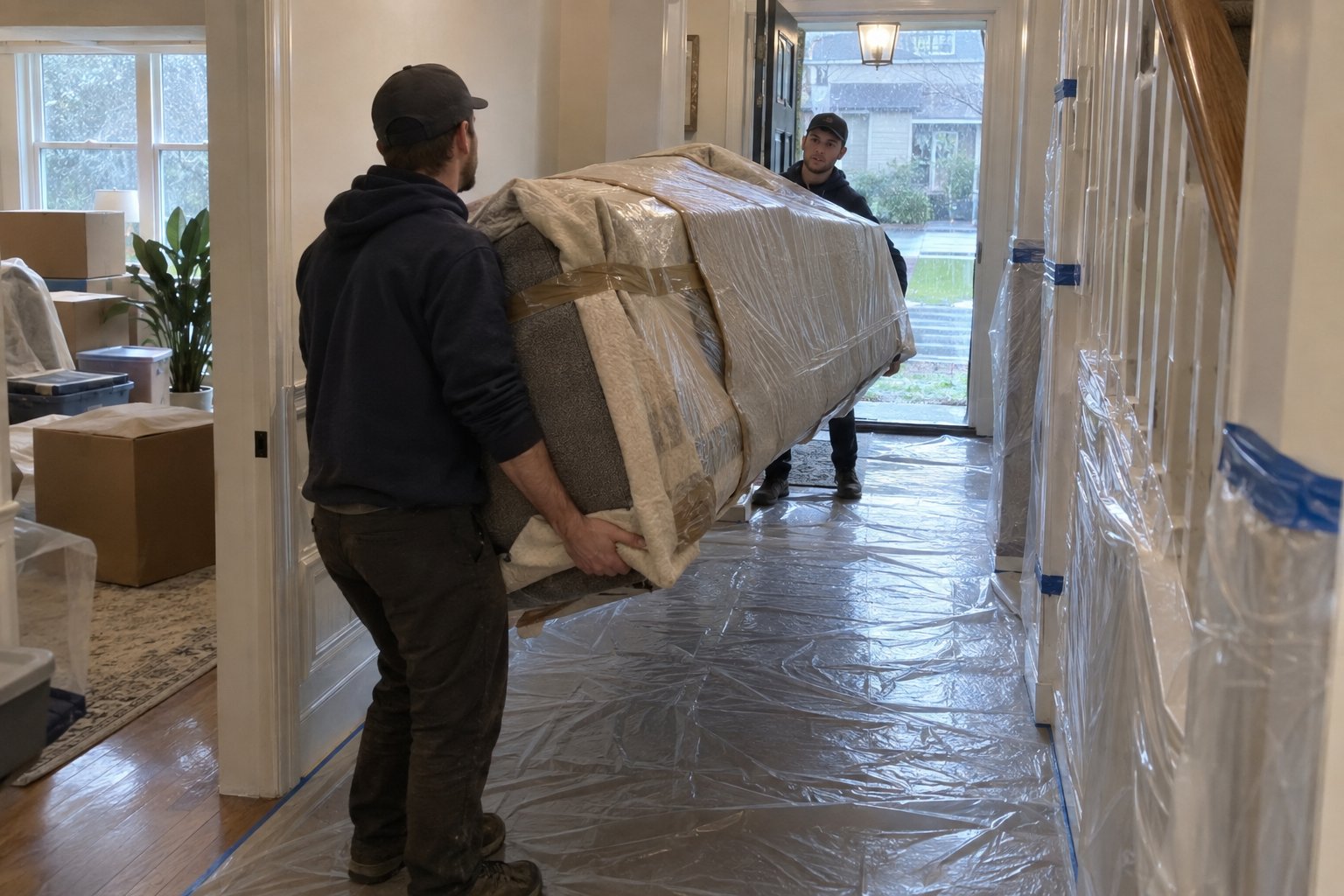
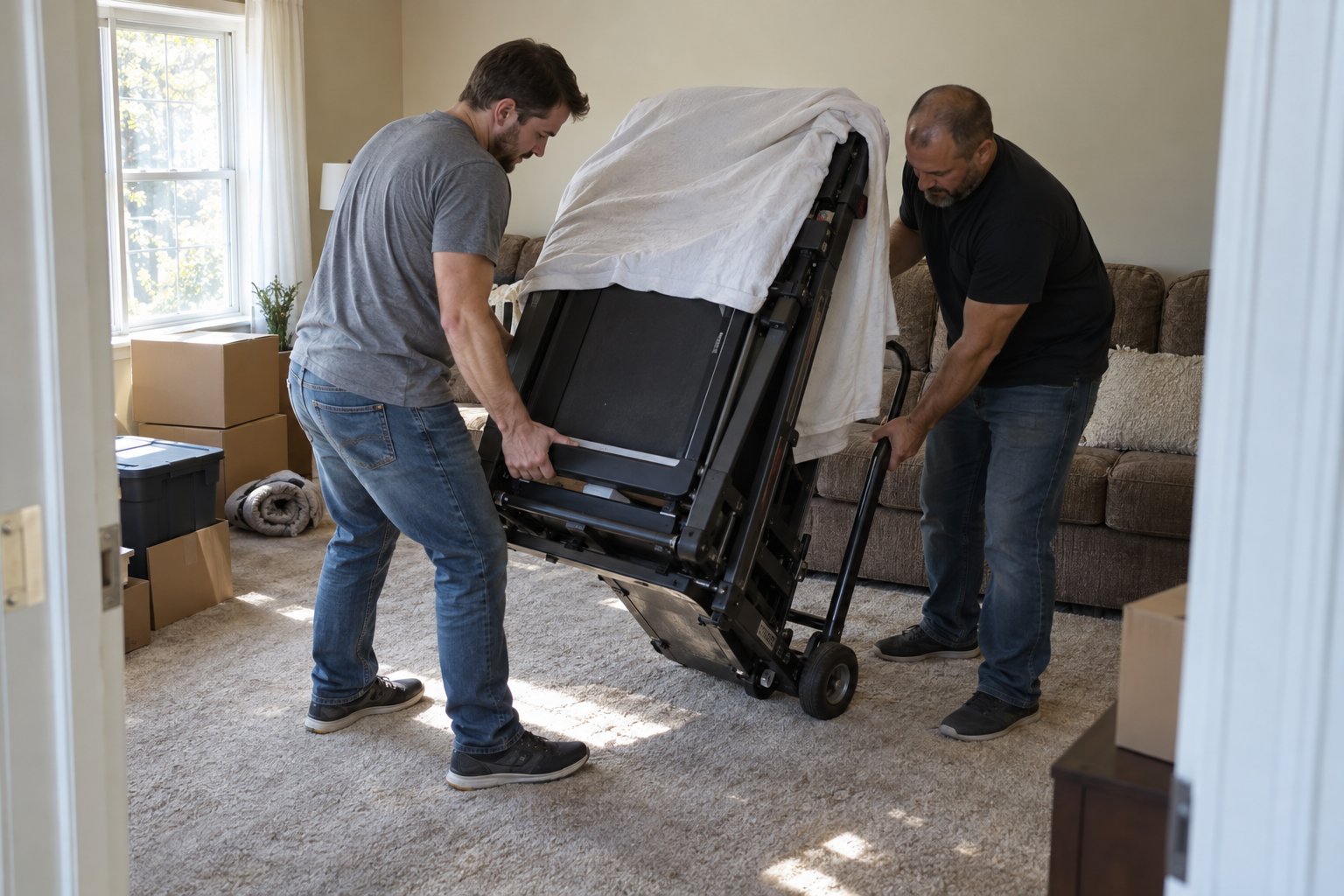
The safest way to move a treadmill through doorways and down stairs is with a furniture dolly or appliance hand truck rated for its weight, with at least two people guiding it rather than one person pushing from behind. Most treadmills weigh well over 200 pounds once you account for the motor and steel frame, which puts them past what one person should carry alone even over a short distance.
If you're using a dolly, position it under the base near the rear rollers where the frame is most reinforced, and strap the treadmill to the dolly before moving it. Tilt the dolly back just enough to clear the floor, and have a second person walk ahead to open doors and spot tight turns. On stairs, go slowly and keep the heavier base-end lower so the console isn't the first thing to hit a wall if balance shifts.
If the treadmill doesn't fold, you'll likely need to carry it fully upright, which usually takes three people: two to support the base and one to stabilize the console so it doesn't sway.
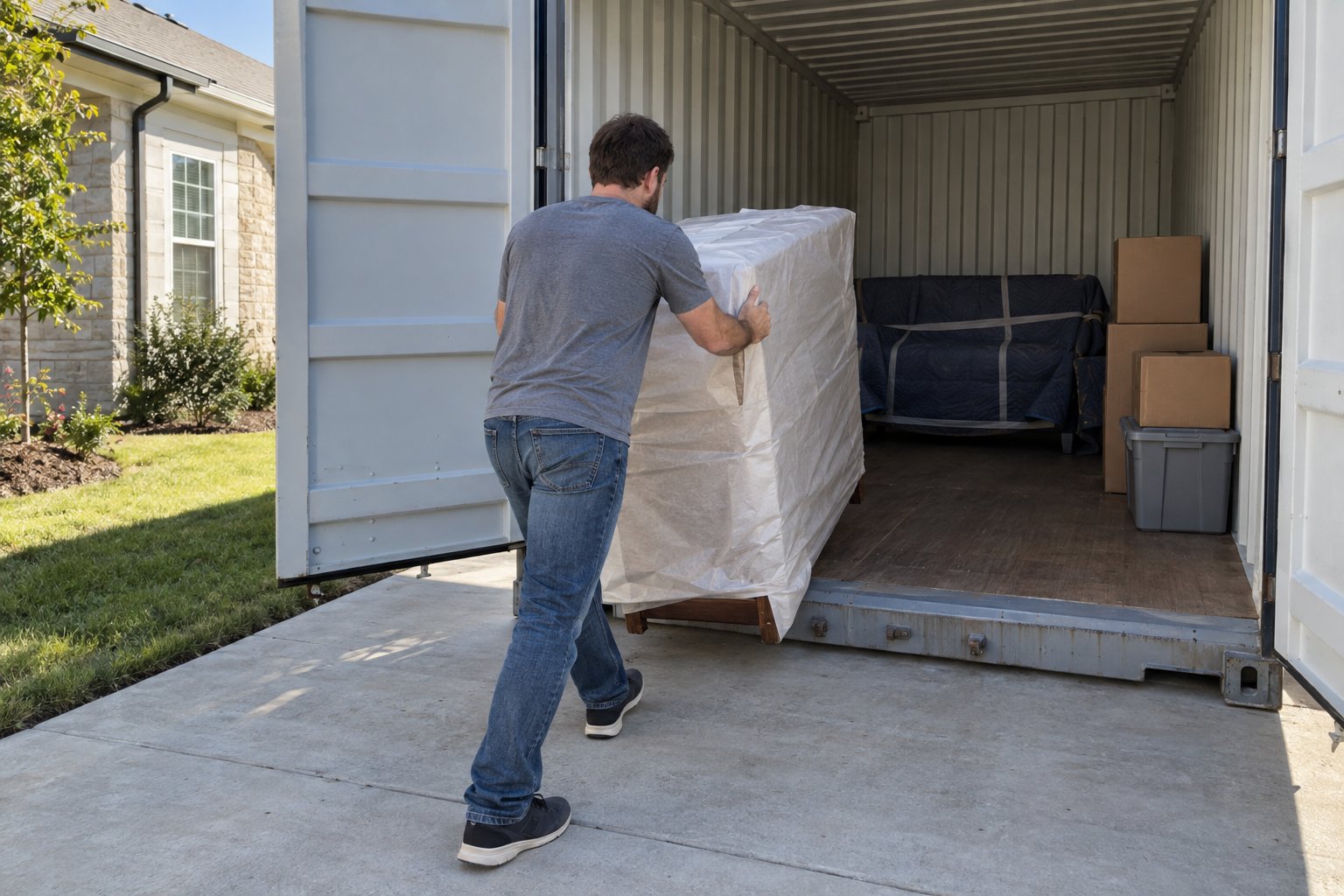
A treadmill should be loaded upright against the truck's sidewall or a sturdy piece of furniture, never laid flat on its console, and strapped so it can't tip or slide during the drive. Laying a treadmill on its display side risks cracking the screen and bending the console arms under the weight of anything stacked nearby.
Load it toward the front of the truck near the cab, where road vibration is lower, and position it so the base is flush against the wall or another heavy item like a dresser. Run at least two straps across the frame, one near the base and one near the console mast, anchored to the truck's rail system. Avoid stacking boxes directly against the console even if it's padded, since sustained pressure during a long drive can still flex the plastic housing.
A treadmill should not be transported lying flat on its side or back if it can be avoided, because fluids in the incline motor and lubricant on the belt deck can shift or leak when the unit isn't upright. This is a common question people also ask about chest freezers, and the underlying concern is the same: appliances and exercise equipment with internal motors are engineered to sit in one orientation, and tipping them changes how gravity acts on fluids and moving parts inside.
If your treadmill absolutely must go on its side to fit through a doorway or stairwell, keep it on its side for the shortest time possible, avoid running it for at least a few hours after it's set back upright, and check your owner's manual for the manufacturer's specific guidance on transport orientation.
Hiring professional movers for a treadmill makes sense when the unit doesn't fold, when it has to navigate stairs or tight hallway turns, or when you simply don't have a second and third person available on moving day. The risk isn't just damaging the machine, it's the real chance of a back injury or dropped equipment crushing a foot or denting a floor.
A crew that handles household moves regularly has the straps, dollies, and technique to move heavy equipment without the guesswork, and they can fold that single item into the rest of your move instead of treating it as a separate errand. If you'd rather not move large equipment on your own, our residential moving services cover exactly this kind of item alongside the rest of your household goods, and our labor-only moving help is worth a look if you've already rented a truck and just need extra hands to load and secure heavy pieces like a treadmill safely.
If your treadmill is heading to a new address outside the immediate area, pair this with our guide to local vs. long-distance moving in Connecticut so you know which pricing and planning rules apply to your specific move.
Protecting your home during a treadmill move means laying down furniture sliders or old moving blankets along the path you'll carry it, and padding doorframes and stair rails where a corner is likely to clip. Treadmills are long and rigid, so even a careful crew can misjudge a turn in a narrow hallway.
Measure doorways and stairwell widths against the treadmill's folded dimensions before moving day so you're not discovering a tight squeeze mid-carry. If your treadmill is heavier or bulkier than most, this is also a good moment to confirm nothing else fragile is staged in the hallway you'll be using, since a shifted grip under weight leaves little room to react.
A treadmill move goes smoothly when the prep work happens days in advance, not the morning of. Fold and lock the deck, confirm you have enough people or the right dolly, and decide now whether this is a DIY job or one to hand off to professionals.
If you're weighing which parts of your move to tackle yourself and which to leave to a crew, our guide to choosing a reliable moving company in Connecticut walks through what to look for before you book anyone to handle heavy or specialty items. And if you'd rather get a straightforward answer on cost and scheduling, you can get a moving quote and ask specifically about large equipment like treadmills when you request it.
Most treadmills need at least two people, and three if the unit doesn't fold or has to go down stairs or around tight corners. The base alone often exceeds what one person can safely lift, and the top-heavy console makes balance tricky for a single mover.
Full disassembly usually isn't necessary if the treadmill folds, but you should remove the safety key, unplug it, and secure or disconnect any cables between the console and base according to your owner's manual. Non-folding models may require removing the console arms to fit through doorways.
It's best to keep a treadmill upright during transport since lying it flat, especially on the console side, can crack the display and let lubricant or motor fluid shift inside the housing. If it must lie down briefly to clear a doorway, keep it upright again as soon as possible and avoid running it for a few hours afterward.
Use furniture sliders or a dolly rather than dragging the base directly on hardwood or tile, and lay moving blankets along the path you'll be carrying it through. Padding doorframes and stair corners also helps prevent dents if the frame shifts during the carry.
If the treadmill is one of several heavy items you need loaded, it often makes more sense to fold it into a full moving service or a labor-only booking rather than treating it as a separate job. A crew already bringing dollies and straps for your other furniture can usually handle it with minimal added time.
Long distance moving throughout all of New England and the tristate area (NY, NJ, PA) as well!
From North Branford to communities across Connecticut, CT Family First Movers is here when you need residential, commercial, or long-distance moving services. Request your free quote today.