Written by:
CT Family First Movers
Published:
September 25, 2026
Rain, summer heat, or an early snow can derail a Connecticut move. Learn how to plan around weather so moving day stays on schedule and your belongings stay safe.
Moving day weather in Connecticut can change your plan with almost no warning: a clear forecast one week can turn into a soaking rain, a sudden heat wave, or an early nor'easter dusting driveways with ice the next. Because the state sits at the crossroads of coastal humidity and inland cold fronts, a move scheduled for any season can run into conditions that slow trucks, damage boxes, or put your crew's safety at risk. Planning around the weather, not just around your calendar, is what keeps a move on schedule regardless of what the sky decides to do.
This guide walks through the specific weather risks Connecticut movers see most often, broken out by season, along with the practical steps that protect your belongings and your timeline when the forecast doesn't cooperate.
Weather affects a move in three ways: it can damage exposed items, slow down loading and unloading, and create safety hazards on stairs, ramps, and walkways. A move that ignores the forecast risks all three at once, especially in a state where conditions can shift within the same afternoon.
Connecticut's coastal towns tend to see sudden downpours and humidity spikes in summer, while inland and northern areas are more prone to early frost and lake-effect-style snow squalls in late fall. Knowing which pattern applies to your town helps you plan the right precautions instead of generic ones.
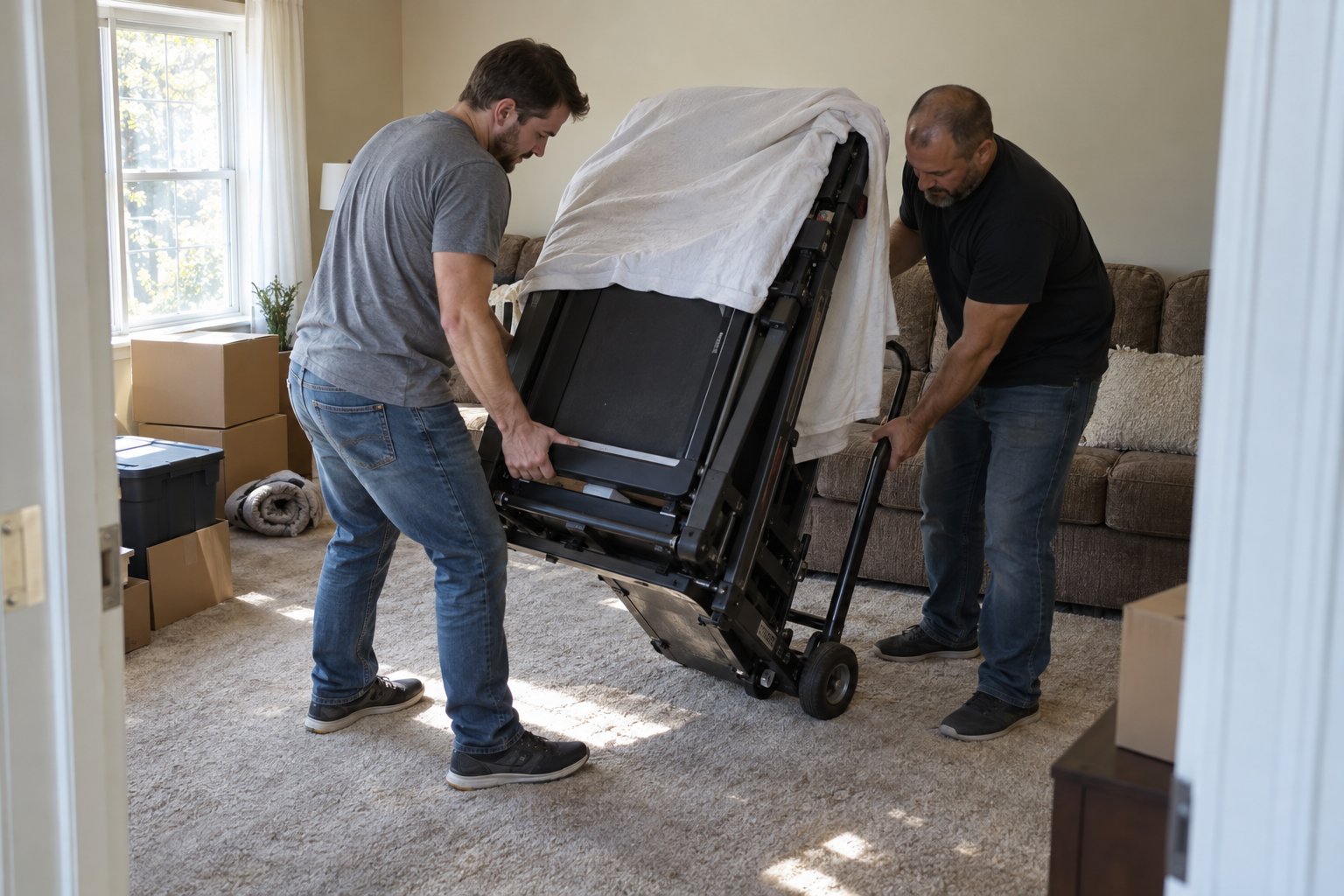
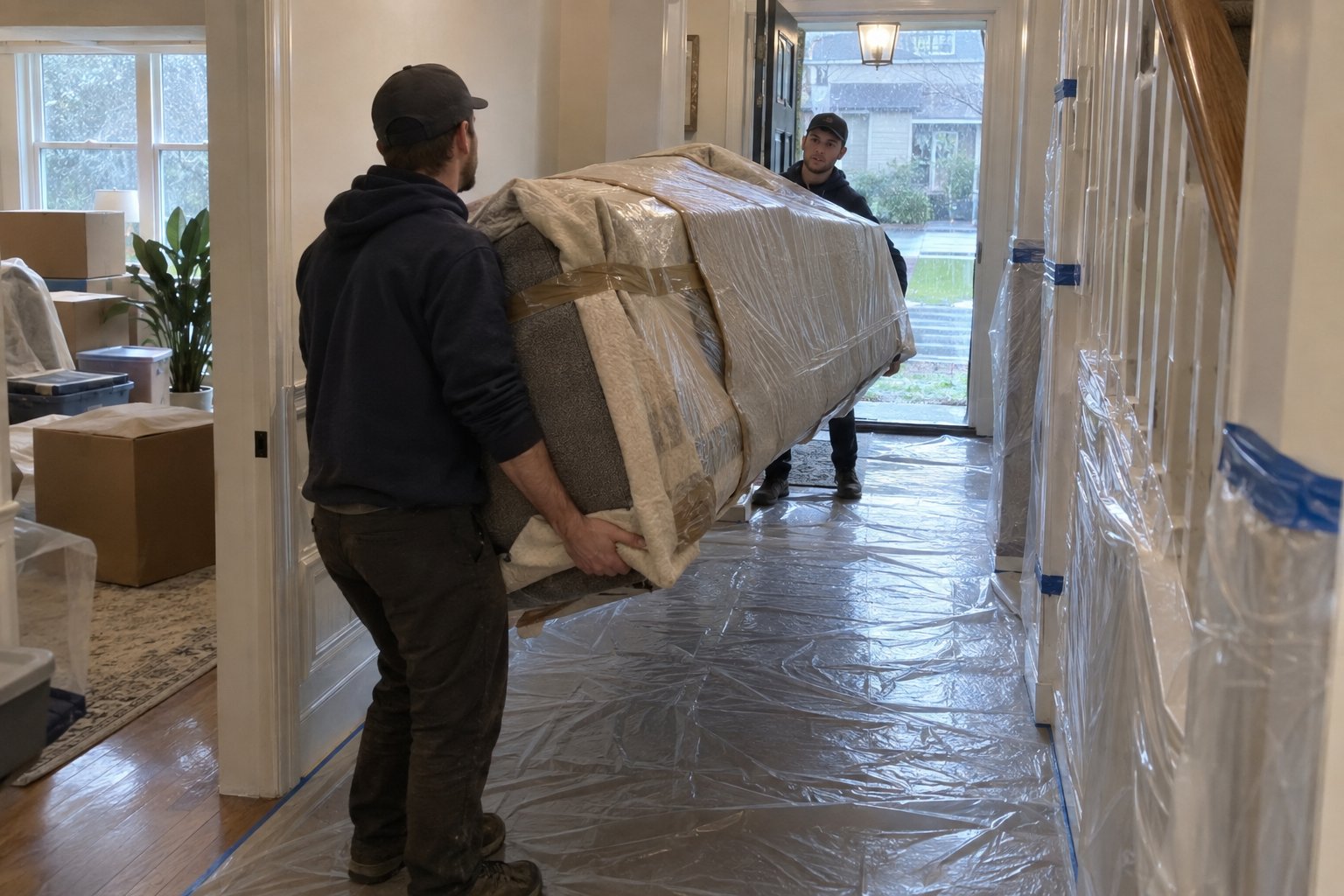
Moving furniture in the rain safely comes down to covering items before they leave the house, protecting the path between the door and the truck, and drying everything before it's loaded. Wet upholstery, cardboard, and wood veneer are the items most at risk, and a soaked box can fail entirely before it reaches the truck.
Lay down moving blankets, cardboard runners, or plastic sheeting from the front door to the driveway before anyone starts carrying items. A wet walkway is the single biggest fall risk on moving day, more so than any single heavy item.
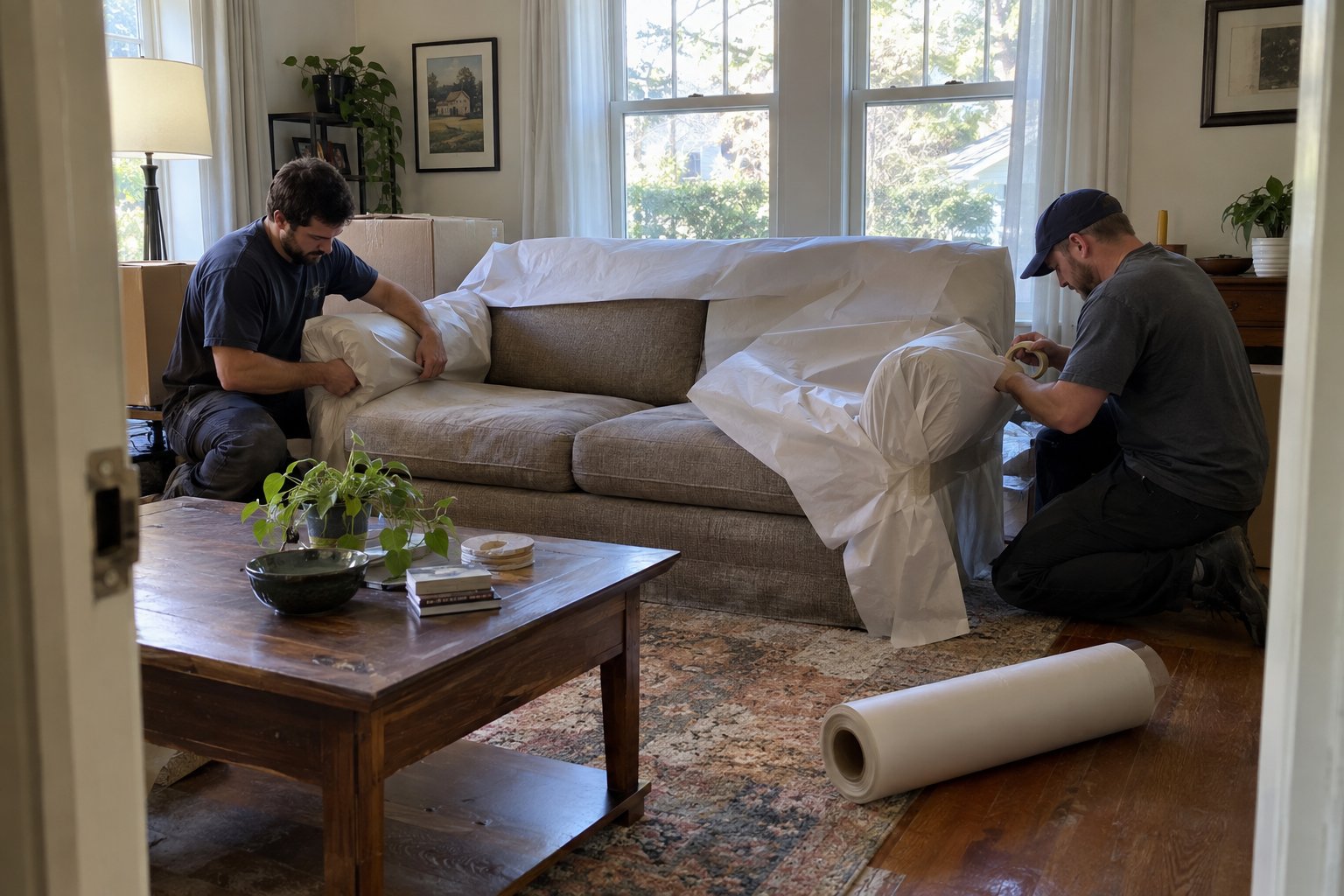
Mattresses, upholstered furniture, and electronics should go into plastic covers or shrink wrap before they leave the house, not once they're already exposed to rain on the porch. Cardboard boxes lose structural strength quickly once wet, so keep a stock of plastic bins or trash bags on hand as backup wrapping for anything not already boxed.
Full-service crews that offer professional packing services typically bring weather-rated wrapping materials as standard, which removes the guesswork of deciding what needs extra protection on a rainy day.
Moving in summer heat mainly means protecting people and heat-sensitive items, not just belongings in general. Dehydration and heat exhaustion are real risks for anyone carrying boxes for hours, and certain materials warp, melt, or crack in high temperatures even during a short trip.
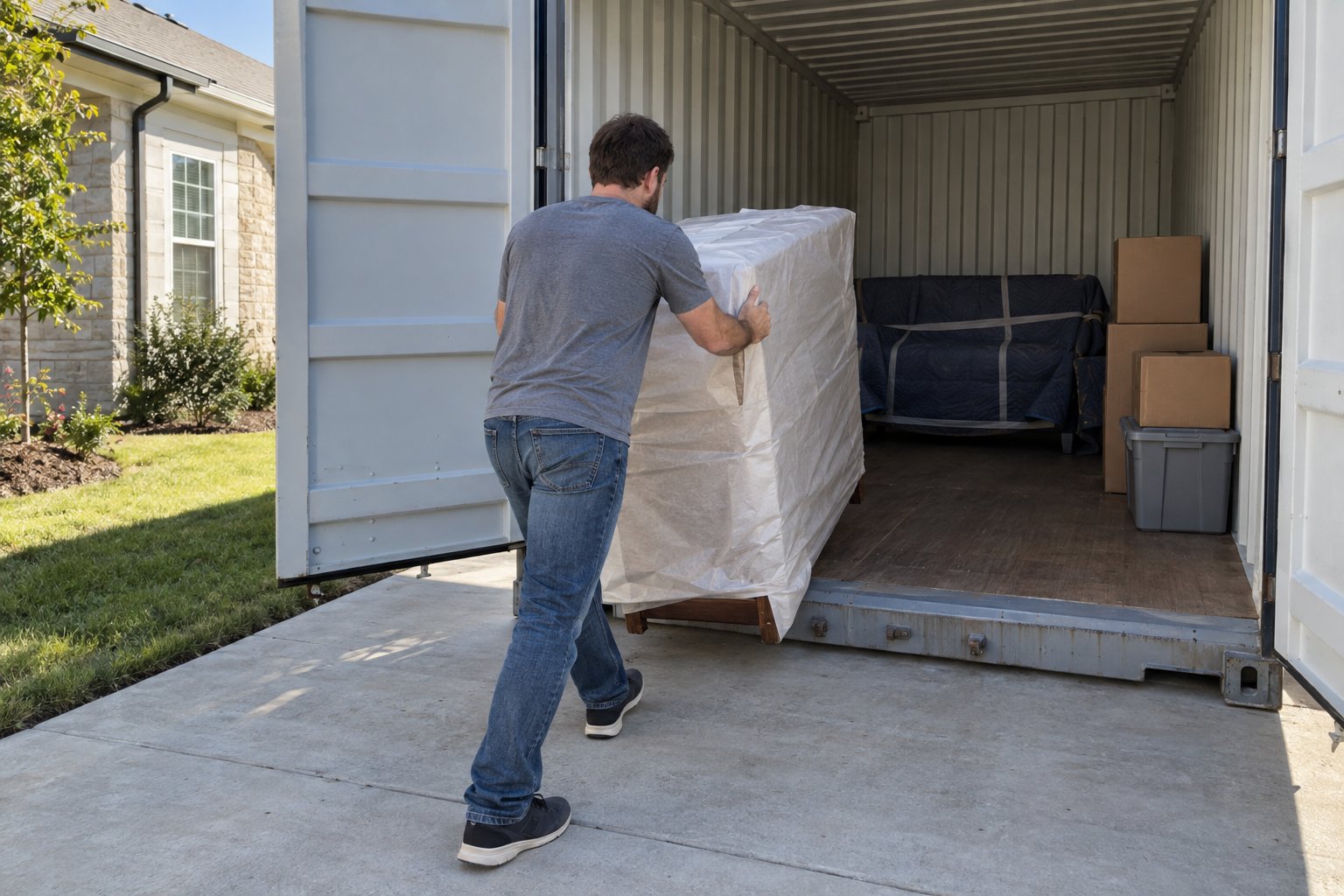
Wooden furniture can warp, vinyl records and candles can melt, and electronics left in a hot truck for hours can suffer battery damage. Pack these items last so they spend the least time in a parked, un-air-conditioned vehicle, and unload them first at the new home.
Schedule loading for early morning when possible, since Connecticut summer humidity tends to peak in the afternoon. Keep water available throughout the day and build in short breaks, especially if the move involves stairs or a long carry distance from house to truck.
A winter move in Connecticut requires clearing walkways and driveways before the truck arrives, protecting floors from salt and slush, and building extra time into the schedule for slower, more careful loading. Ice is the primary hazard, both underfoot and on truck ramps.
Shovel and salt the driveway, front walk, and any steps at both the old and new home the night before and again the morning of the move. If snow is forecast, confirm with your moving company how they plan to handle a delayed start or a shortened loading window.
Lay down floor runners at both entry points to catch melting snow and road salt, which can stain hardwood and carpet if tracked through repeatedly over a few hours. Keep a separate box of cold-weather gear (gloves, extra blankets, an ice scraper) accessible rather than packed at the bottom of the truck.
You should consider rescheduling when the forecast includes a winter storm warning, flash flood watch, or dangerous heat advisory, since these conditions create real safety risks rather than just inconvenience. A brief afternoon shower rarely justifies a reschedule; a forecast tied to an official weather warning usually does.
Talk to your moving company about their weather policy before booking, not on the morning of the move. Reputable movers build some flexibility into their scheduling for exactly this reason, and knowing the policy in advance avoids a stressful last-minute negotiation.
The best way to reduce weather stress is to avoid scheduling every step of your move on a tight, single-day timeline with no slack. If you're already working from a week-by-week moving timeline, add a buffer day around your move date whenever the season makes bad weather plausible, particularly in winter and hurricane season.
If your new home isn't quite ready or the forecast forces a delay, short-term options like a plastic bin rental can keep your belongings organized and protected without committing to a rigid moving date.
Connecticut weather rarely gives more than a few days' warning, so the families who handle it best are the ones who plan for it ahead of time rather than reacting to it on moving day. A moving company familiar with the area's seasonal patterns can adjust loading order, materials, and scheduling to match whatever the forecast brings.
If you're planning a move and want a team that already accounts for local weather conditions, get a moving quote and we'll help you build a timeline that holds up no matter what the sky does.
Yes, most professional movers work through light to moderate rain as long as conditions are safe, using plastic wrap, floor runners, and covered ramps to protect belongings and prevent slips. Moving is typically only paused or rescheduled for severe weather like thunderstorms with lightning or flash flooding.
There isn't a strict cutoff, but once temperatures climb into the 90s, movers usually adjust the schedule to start earlier, take more frequent breaks, and prioritize getting heat-sensitive items like electronics and wood furniture off the truck quickly rather than letting them sit in a hot vehicle.
Use plastic bins instead of cardboard boxes when rain is forecast, or wrap cardboard boxes in painter's plastic before they leave the house. Cardboard loses strength quickly once wet, so keeping boxes covered from the moment they're carried outside makes the biggest difference.
Most Connecticut moving companies will work with you to reschedule if a winter storm warning is issued, since icy driveways and roads create real safety risks for the crew and your belongings. It's worth confirming your mover's weather policy at the time of booking rather than waiting until the week of the move.
Pack heat-sensitive items like electronics, candles, vinyl records, and wooden furniture last so they spend the least amount of time sitting in a parked truck. Unloading these items first at the new home also limits their total exposure to high temperatures.
Long distance moving throughout all of New England and the tristate area (NY, NJ, PA) as well!
From North Branford to communities across Connecticut, CT Family First Movers is here when you need residential, commercial, or long-distance moving services. Request your free quote today.