Written by:
CT Family First Movers
Published:
November 17, 2026
Moving a freezer yourself or leaving it to a crew? Compare defrost timing, effort, and risk to decide what fits your Connecticut move.
Figuring out how to move a freezer comes down to one real choice: defrost it, secure it, and load it yourself with a dolly and a second pair of hands, or let a moving crew carry it as part of the rest of your furniture. Both get the appliance from one house to the next. The difference shows up in the hours before moving day, in how much your back feels afterward, and in how much risk you are willing to take on with a motor and a sealed refrigerant line.
This is less about brute strength and more about preparation. A freezer that is not defrosted, drained, and secured properly can leak water through your boxes, tip during transport, or arrive with a compressor that will not restart. Comparing the two paths on the same points, time, effort, risk, and fit, makes the decision easier than guessing.
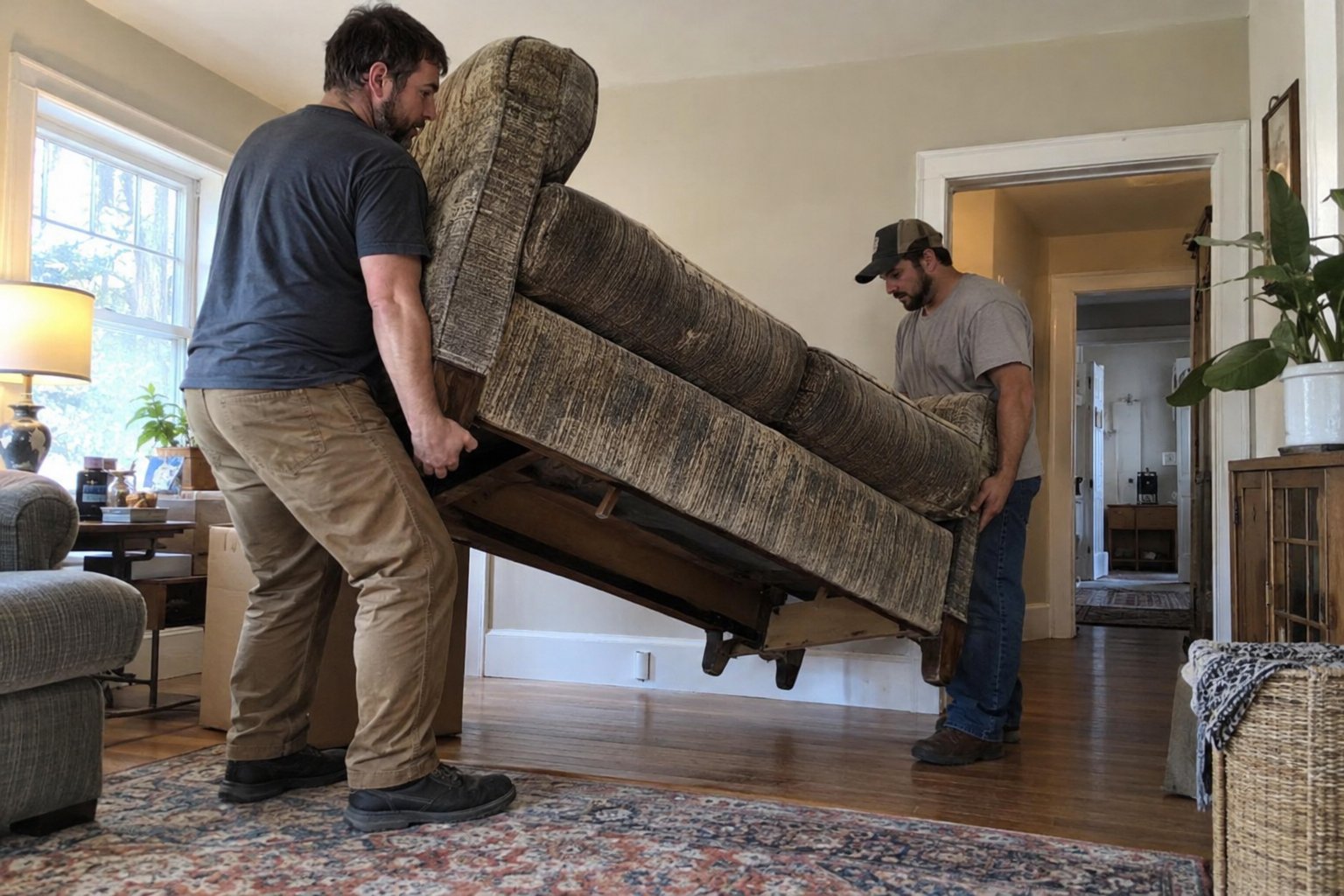
Moving a freezer on your own means defrosting it at least a day ahead, drying it completely, securing the door, and walking it onto a dolly with a helper. It is doable for a standalone chest or upright freezer in good condition, but it is not a last-minute job.
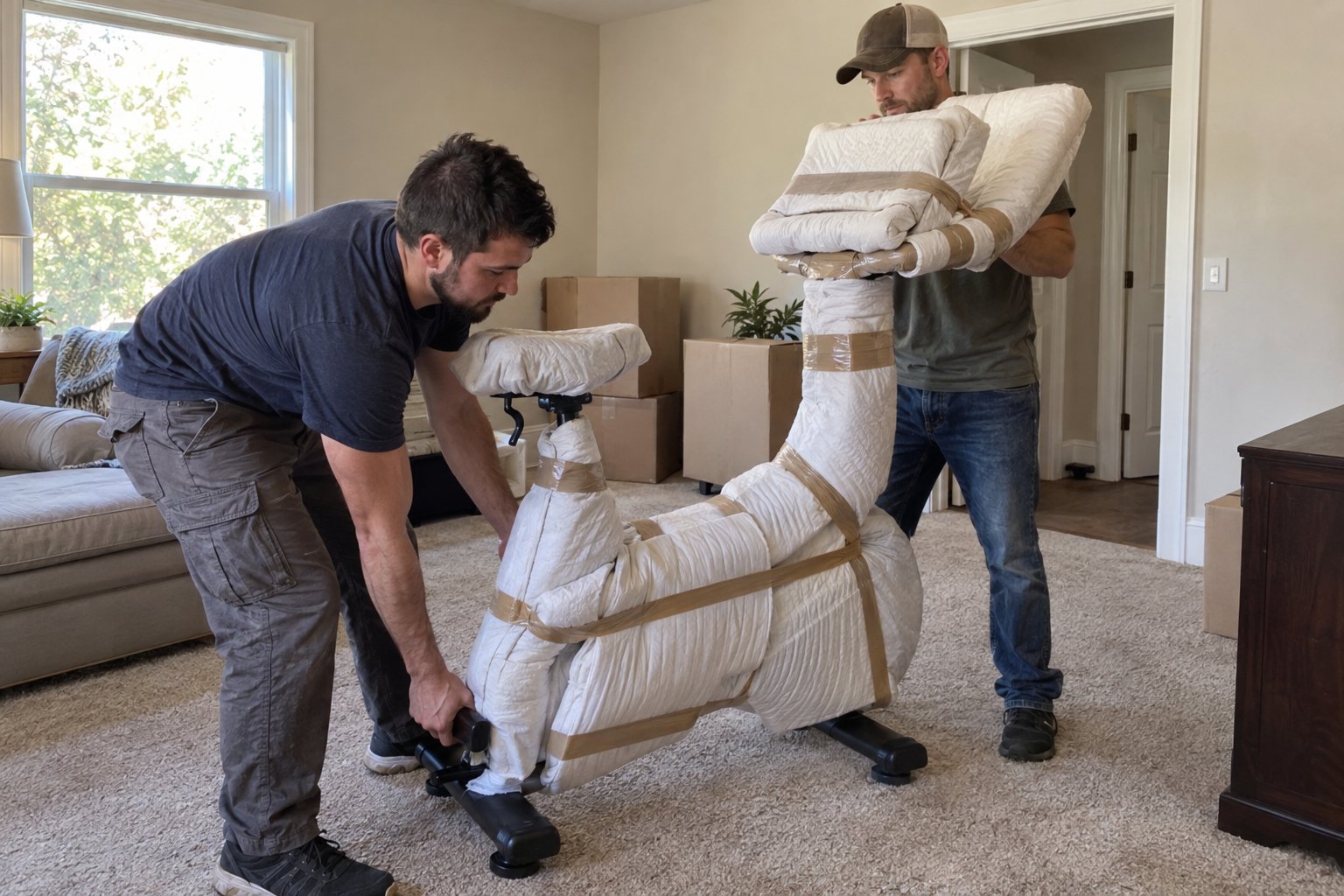
Start by emptying the contents and unplugging the unit a full day before moving day, longer if it is heavily iced over. Prop the door open and let it defrost completely, then towel out any remaining water and let it air dry. A wet interior means condensation and odor once the freezer is sealed inside a moving truck for hours. Tape the door shut, or use a strap around the unit, so it cannot swing open during the move. From there, two people and an appliance dolly are the minimum. Chest freezers are easier to tip and slide; upright models need to stay vertical the entire time, since laying one on its side can let compressor oil run into the cooling lines.
An upright freezer should stay standing through loading, transport, and unloading whenever possible. If it has to be tilted briefly to clear a doorway, keep the angle as slight as you can and return it to vertical right away. If a freezer does end up riding on its side for a long stretch, let it stand upright and settle for several hours before plugging it back in, so any oil has time to drain back to where it belongs.
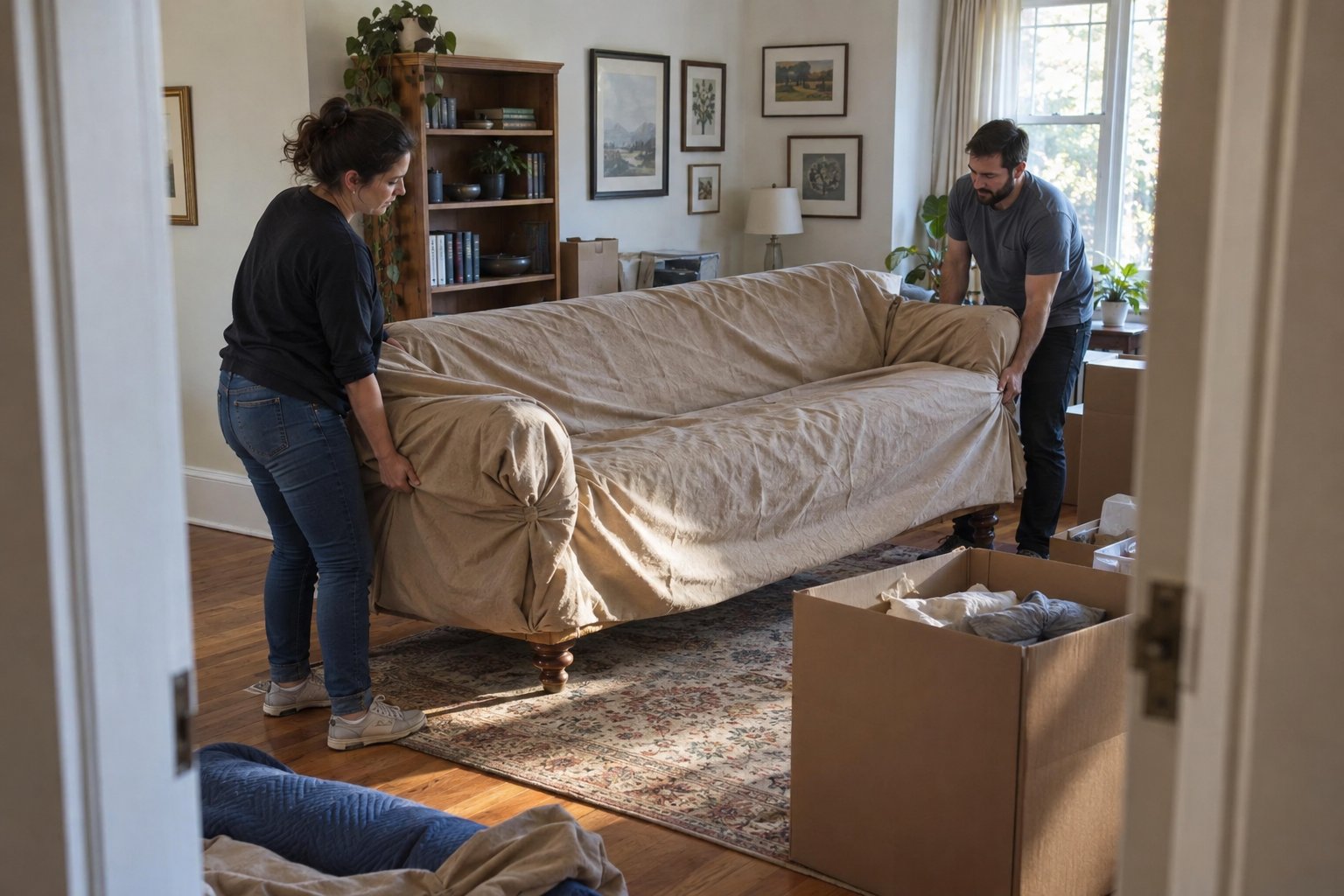
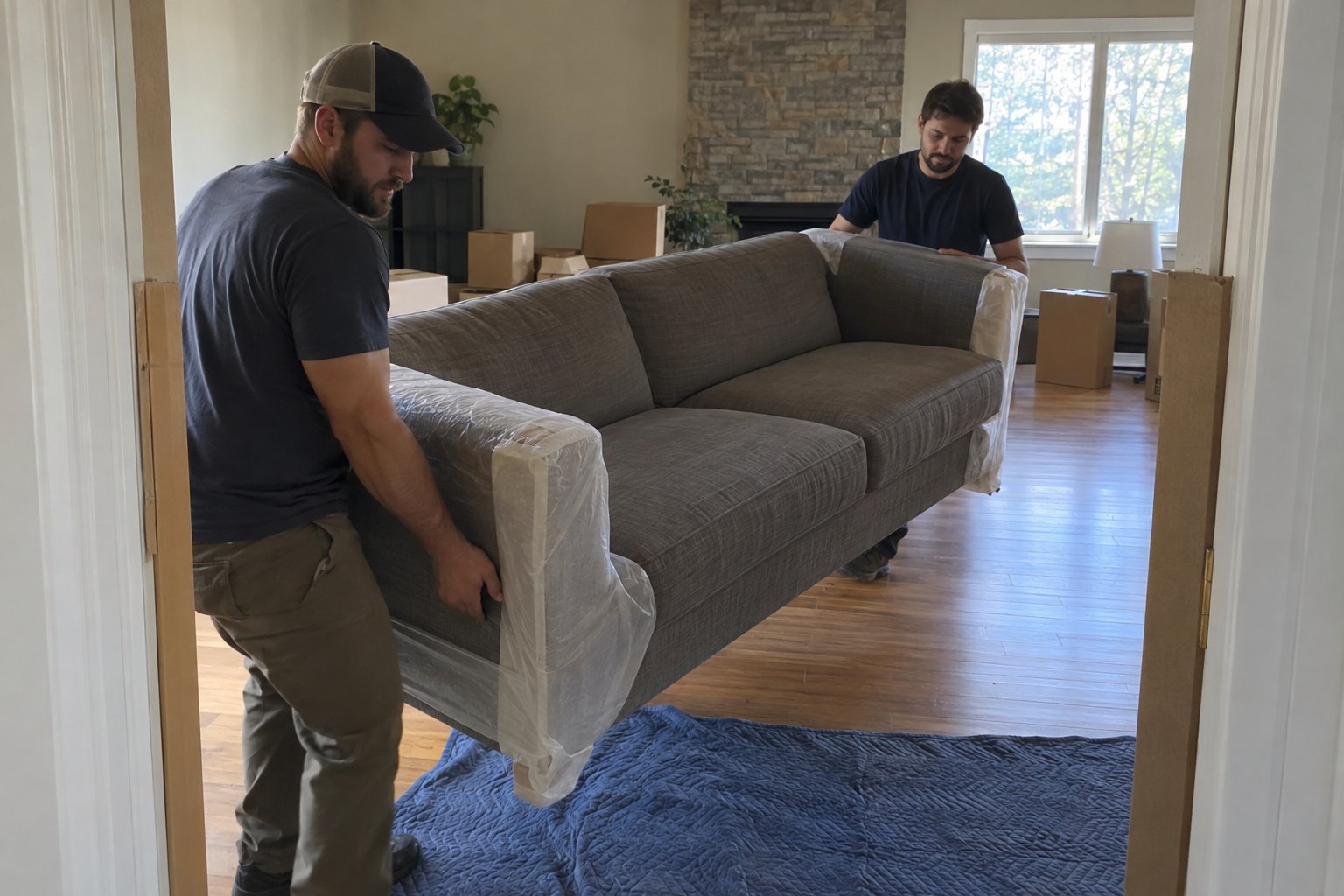
Hiring movers for a freezer means a crew handles the carrying, the dolly work, and the furniture pads, while you still need to defrost and prep the unit ahead of time. This takes the heaviest lifting and the navigation around stairs or tight hallways off your plate, but the appliance still needs to be empty and dry before anyone arrives.
Tell the crew about the freezer when you book, not when they show up, so they can plan for the extra weight and bring the right equipment. A full-size chest or upright freezer is awkward enough that most people underestimate it until they are halfway through a doorway. Movers trained in furniture pickup and careful placement will typically pad the unit, keep it upright on a dolly, and position it in the truck where it will not shift against other items.
Moving the freezer yourself tends to work for a short local move, a smaller chest freezer, and a household with at least one other physically able adult to help. Hiring movers fits better for an upright or large chest freezer, a move involving stairs, or any situation where you would rather not risk your back or the appliance on a single lift.
Doing it yourself costs you planning time the day before and physical effort on moving day, but no coordination with a crew. Hiring it out shifts the physical effort to someone else, at the cost of making sure your freezer is ready and accessible when the truck arrives.
As a rule of thumb, plan on defrosting a standard freezer for about a full day before it needs to move, regardless of which path you choose. That part of the job does not change. What changes is who carries it afterward. A freezer that is not fully dry when it gets wrapped and loaded can drip inside the truck, which risks your other boxes as much as the freezer itself.
A freezer riding a short distance across town has less time to shift or tip than one on a multi-hour drive. For a longer haul, the padding, strapping, and upright positioning matter more, since the appliance is exposed to more stops, turns, and vibration before it reaches your new home. If your move involves long distance moving services, ask ahead of time how the crew plans to secure large appliances for the trip.
For most households moving a single chest or upright freezer within Connecticut, hiring movers for the carrying and loading, while handling the defrosting and draining yourself in the days before, is the more practical choice. It splits the work along the lines that make sense: you control the timeline for emptying and drying the unit, and the crew handles the lifting, stairs, and truck placement.
If you are already using furniture pickup services for other large items, adding the freezer to that same trip is usually simpler than arranging separate help just for the appliance. For anyone handling the whole move solo, with a smaller unit and no stairs involved, doing it yourself remains a reasonable option as long as the defrost and dry-out steps are not rushed.
Whichever option you pick, the appliance needs the same groundwork. Empty it fully, defrost and dry it, and let the crew or your helper know it is coming so nobody is caught off guard mid-move.
For guidance on energy use and proper disposal of an old appliance you are not bringing along, the EPA's household recycling resources cover appliance recycling options. If you are weighing whether to handle more of the move yourself or bring in help for specific heavy items, the comparison in DIY moving vs. labor-only movers covers that broader decision in more detail.
Planning your move? Request a quote from CT Family First Movers.
Give a standard freezer about a full day to defrost and dry out completely before moving day. A heavily iced chest freezer may need extra hours, so check the interior the morning of the move rather than assuming it is ready.
A chest freezer can generally tolerate being tilted more than an upright model, but it is still best kept as level as possible. If it does end up on its side briefly, let it stand upright for several hours before plugging it in again.
Let the crew know the freezer's size, whether it is empty and dry, and whether it needs to pass through any tight doorways or stairs. That lets them bring the right dolly and plan the route before they start lifting.
Yes. Let the freezer sit upright for a few hours after it arrives before plugging it in, especially if it was tilted or laid down during the move, so any compressor oil can settle back into place.
A faint odor can develop if any moisture or food residue was left inside before the move. Wiping the interior with a mild solution and leaving the door open to air out for a few hours usually resolves it.
Long distance moving throughout all of New England and the tristate area (NY, NJ, PA) as well!
From North Branford to communities across Connecticut, CT Family First Movers is here when you need residential, commercial, or long-distance moving services. Request your free quote today.